Why Do Underground Water Pipelines Require Corrosion Protection?
Modern cities and industrial facilities depend heavily on underground water transmission systems to transport clean water, industrial water, and wastewater across long distances. These pipeline systems often remain buried underground for decades while continuously exposed to groundwater, soil chemicals, moisture, and changing environmental conditions. Without effective protection, ordinary steel pipes may gradually suffer from corrosion damage, which can lead to leakage, pressure loss, structural failure, and costly maintenance operations.
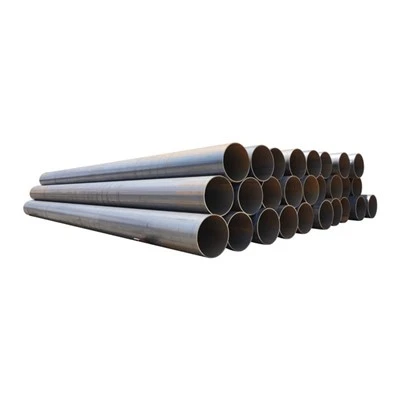
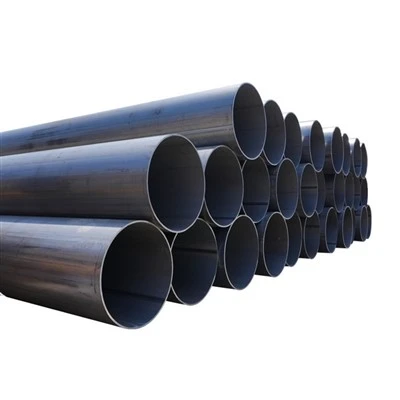
Because of these risks, anti-corrosion steel pipe has become one of the most important materials in modern underground water infrastructure projects. Through advanced external coating technologies and internal lining systems, anti-corrosion steel pipes help maintain long-term operational stability while improving pipeline durability and safety.
In many municipal engineering projects, the expected service life of water pipelines may exceed thirty years. This makes corrosion protection a critical factor in reducing future repair costs and maintaining stable water transportation performance.
| Anti-Corrosion System | Main Function | Typical Water Applications |
|---|---|---|
| 3PE Coating | External corrosion protection | Buried transmission pipelines |
| FBE Coating | Strong adhesion and chemical resistance | Municipal water systems |
| Cement Mortar Lining | Internal wear and corrosion resistance | Large water pipelines |
| Epoxy Coating | Smooth internal protection | Industrial water systems |
These technologies help improve both external durability and internal transportation efficiency.


Why Is 3PE Coating Commonly Used in Buried Water Pipelines?
3PE coated steel pipe has become one of the most widely used products in underground water transportation systems because of its excellent waterproof and mechanical protection performance. The multilayer coating structure combines epoxy corrosion resistance with polyethylene external protection, creating a durable barrier against underground environmental damage.
Buried pipelines often face challenging installation conditions where the pipe surface may experience scratches, impact, and soil pressure during construction. The polyethylene outer layer helps protect the steel surface from physical damage while also preventing moisture penetration.
Another important advantage is long-term durability. Properly coated 3PE pipelines can operate for decades with relatively low maintenance requirements, making them highly suitable for municipal water infrastructure and cross-regional water transmission projects.
As urban populations continue growing and water infrastructure investments increase globally, demand for reliable anti-corrosion water pipelines remains strong.
How Does Corrosion Affect Water Infrastructure Costs?
Pipeline corrosion can create significant economic challenges for municipal authorities and industrial operators. Water leakage caused by corrosion not only wastes valuable resources but also increases maintenance expenses and operational risks.
Repairing underground pipeline failures often requires excavation work, traffic disruption, labor costs, and system shutdown procedures. In densely populated urban areas, these repair activities may also affect nearby transportation and infrastructure systems.
Anti-corrosion steel pipes help reduce these long-term costs by improving structural stability and minimizing corrosion-related failures. Although coated steel pipes may involve higher initial procurement costs, they provide substantial savings through lower maintenance frequency and longer operational lifespan.
For large-scale infrastructure projects, lifecycle cost efficiency has become increasingly important in pipeline material selection.
How Does Manufacturing Technology Improve Coating Reliability?
The quality of anti-corrosion steel pipe depends heavily on coating technology and manufacturing control. Modern production lines use automated blasting systems and advanced coating equipment to ensure strong surface adhesion and uniform coating thickness.
During production, strict inspection procedures are applied to verify coating performance and detect potential defects. These inspections typically include adhesion testing, thickness measurement, holiday detection, and impact resistance testing.
Continuous improvements in coating materials and manufacturing processes have greatly enhanced the reliability of anti-corrosion steel pipes in underground infrastructure projects.
As engineering standards continue becoming more demanding, coating quality control remains one of the most important aspects of pipeline manufacturing.
How Does Huayang Steel Pipe Supply Water Infrastructure Projects?
Huayang Steel Pipe manufactures anti-corrosion steel pipes for municipal water systems, industrial water transportation, and large infrastructure projects worldwide. The company mainly produces LSAW steel pipes and provides coating systems including 3PE, FBE, and epoxy protection technologies.
Huayang supports customized production according to international standards and project specifications including diameter, wall thickness, steel grade, and coating requirements.
The company maintains strict quality control procedures throughout the manufacturing and coating process to ensure reliable product performance in underground environments. Huayang products are widely exported to overseas infrastructure projects in the Middle East, Africa, Southeast Asia, and South America.
Conclusion
Anti-corrosion steel pipe plays a vital role in improving the safety, durability, and operational efficiency of underground water transmission systems. Through advanced coating technologies such as 3PE and FBE, modern pipelines can effectively resist underground corrosion and environmental damage for long operational periods.
As global demand for reliable water infrastructure continues growing, anti-corrosion steel pipes will remain essential materials supporting safe and efficient water transportation networks worldwide.