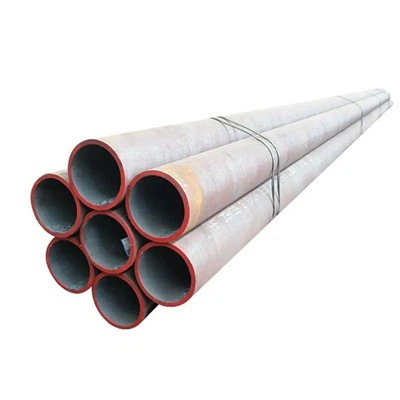
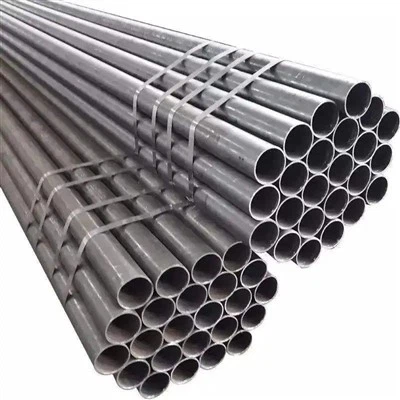
As a supplier of Q235B LSAW (Longitudinal Submerged Arc Welded) Steel Pipe, I've witnessed firsthand the critical role that inspection certificates play in the industry. In this blog, I'll delve into the significance of these certificates, exploring how they impact various aspects of the business, from quality assurance to market competitiveness.
Quality Assurance
Inspection certificates are the cornerstone of quality assurance for Q235B LSAW Steel Pipe. These documents provide detailed information about the pipe's physical and chemical properties, manufacturing processes, and compliance with relevant standards. For instance, they specify the chemical composition of the steel, including the percentages of carbon, manganese, sulfur, and phosphorus. This information is crucial as it directly affects the pipe's strength, ductility, and corrosion resistance.
Moreover, inspection certificates detail the mechanical properties of the pipe, such as its yield strength, tensile strength, and elongation. These properties determine the pipe's ability to withstand pressure, stress, and other environmental factors. By ensuring that the pipe meets the specified mechanical requirements, inspection certificates guarantee its performance in various applications, such as in the transportation of low-pressure fluids.
In addition to chemical and mechanical properties, inspection certificates also cover the manufacturing processes of the Q235B LSAW Steel Pipe. They verify that the pipe is produced using the correct welding techniques, such as submerged arc welding, which ensures a high-quality and reliable weld. The certificates also confirm that the pipe undergoes proper heat treatment, if required, to enhance its properties.
Compliance with Standards
Another important role of inspection certificates is to ensure compliance with national and international standards. Q235B LSAW Steel Pipe is used in a wide range of industries, including construction, oil and gas, and water supply. Each industry has its own set of standards and regulations that the pipe must meet. Inspection certificates provide evidence that the pipe complies with these standards, such as ASTM, API, and GB.
For example, in the oil and gas industry, LSAW carbon steel pipes for oil and gas must meet strict API standards to ensure their safety and reliability. Inspection certificates verify that the pipe meets these standards, including requirements for wall thickness, diameter tolerance, and weld quality. This compliance is essential for obtaining regulatory approvals and ensuring the smooth operation of oil and gas projects.
Similarly, in the construction industry, Q235B LSAW Steel Pipe must comply with relevant building codes and standards. Inspection certificates provide the necessary documentation to demonstrate that the pipe meets these requirements, ensuring the structural integrity of buildings and infrastructure.


Market Competitiveness
Inspection certificates also play a crucial role in enhancing the market competitiveness of Q235B LSAW Steel Pipe. In today's highly competitive market, customers are increasingly demanding high-quality products that meet their specific requirements. Inspection certificates provide a competitive edge by demonstrating the quality and reliability of the pipe.
Customers are more likely to choose a supplier who can provide inspection certificates, as these documents give them confidence in the product's quality. By having inspection certificates, suppliers can differentiate themselves from their competitors and attract more customers. This can lead to increased sales and market share, as well as long-term customer relationships.
Moreover, inspection certificates can also help suppliers enter new markets. Many countries and regions have strict import regulations that require products to meet certain standards. By having inspection certificates, suppliers can ensure that their products comply with these regulations, making it easier for them to export their Q235B LSAW Steel Pipe to international markets.
Risk Mitigation
Inspection certificates also serve as a risk mitigation tool for both suppliers and customers. For suppliers, inspection certificates provide evidence that the product meets the specified quality standards. In case of any disputes or claims from customers, the inspection certificates can be used as proof of compliance, reducing the risk of legal liability.
For customers, inspection certificates provide assurance that the product they are purchasing is of high quality and meets their requirements. This reduces the risk of product failure, which can lead to costly repairs, downtime, and safety hazards. By relying on inspection certificates, customers can make informed purchasing decisions and minimize their risks.
Conclusion
In conclusion, inspection certificates play a vital role in the supply of Q235B LSAW Steel Pipe. They are essential for quality assurance, compliance with standards, market competitiveness, and risk mitigation. As a supplier, I understand the importance of providing inspection certificates to my customers. These documents not only demonstrate the quality and reliability of my products but also build trust and confidence in my brand.
If you are in the market for high-quality Q235B LSAW Steel Pipe, I invite you to contact me for a detailed discussion about your requirements. I am committed to providing you with the best products and services, backed by comprehensive inspection certificates. Let's work together to meet your needs and achieve your goals.
References
- ASTM International. (Year). ASTM standards for steel pipes.
- American Petroleum Institute (API). (Year). API standards for oil and gas pipes.
- General Administration of Quality Supervision, Inspection and Quarantine of the People's Republic of China (AQSIQ). (Year). GB standards for steel pipes.