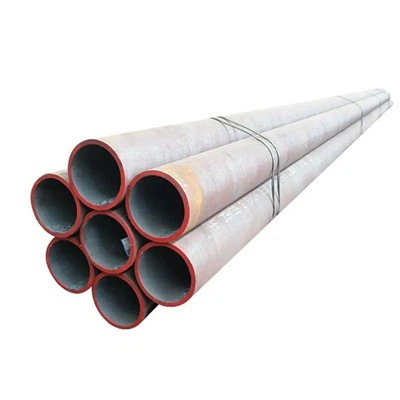
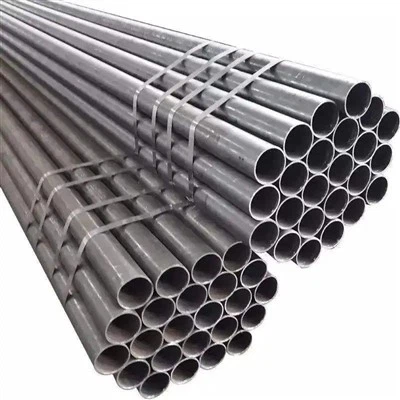
Hey there! I'm a supplier of Boiler Seamless Pipe, and today I wanna chat about the flow pattern in Boiler Seamless Pipe under different flow rates. It's a pretty interesting topic, especially if you're in the business of using or selling these pipes.
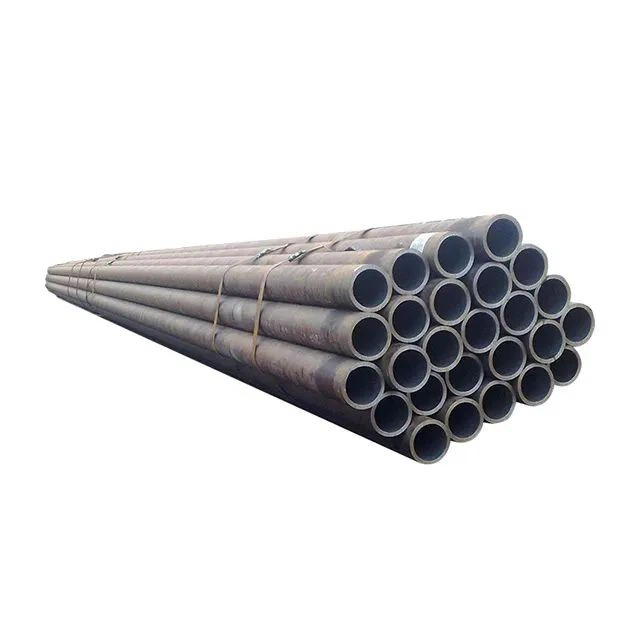
First off, let's understand what Boiler Seamless Pipe is. These pipes are super important in various industries, like power generation, oil and gas, and chemical processing. They're used to carry high - temperature and high - pressure fluids, and their seamless design gives them better strength and reliability compared to welded pipes.
Now, when it comes to the flow pattern inside these pipes, it can vary a lot depending on the flow rate. Flow rate is basically how much fluid passes through a certain cross - section of the pipe in a given time.
At low flow rates, the flow in Boiler Seamless Pipe is usually laminar. In laminar flow, the fluid moves in smooth, parallel layers. Think of it like cars on a highway all moving in their own lanes without much mixing. The fluid particles move in an orderly manner, and there's very little interaction between the different layers. This type of flow is characterized by low turbulence. Laminar flow is great in some cases because it reduces friction and energy loss. For example, in a heating system where you're just trying to move hot water from one place to another, laminar flow can help save energy.
As the flow rate starts to increase, we enter the transition zone. In this zone, the flow is neither fully laminar nor fully turbulent. It's a bit of a mixed bag. Some parts of the fluid might still be flowing in an orderly way, while other parts start to show signs of turbulence. Turbulence is when the fluid particles start to move in a chaotic, random manner. They mix with each other, and there are eddies and swirls forming. The transition zone can be a bit tricky to deal with because the flow behavior is less predictable.
When the flow rate gets even higher, we reach the turbulent flow regime. Turbulent flow is like a wild party in the pipe. The fluid particles are moving all over the place, colliding with each other and the pipe walls. This high - energy flow can have both positive and negative effects. On the one hand, it can enhance heat transfer. In a boiler, for instance, turbulent flow can help transfer heat from the hot combustion gases to the water more efficiently. On the other hand, it also increases friction and energy loss. The constant collisions between the fluid and the pipe walls create more resistance, which means you need more energy to keep the fluid moving.
Let's talk about how these different flow patterns affect the performance of Boiler Seamless Pipe. In laminar flow, the wear and tear on the pipe is relatively low because there's less impact on the pipe walls. The smooth flow means that the fluid doesn't erode the pipe as quickly. However, in turbulent flow, the high - energy collisions can cause more erosion over time. This is something that needs to be considered when choosing the right pipe material and thickness for a particular application.
Now, I also want to mention some of the products we offer as a Boiler Seamless Pipe supplier. We have a great selection of pipes, including the X60 OCTG Pipe. This pipe is known for its high strength and excellent corrosion resistance. It's a popular choice in the oil and gas industry, where it can handle the harsh conditions of oil and gas extraction and transportation.
Another product is the Oil Line Pipe. As the name suggests, it's specifically designed for use in oil pipelines. It has to withstand high pressures and the corrosive nature of oil. Our Oil Line Pipe is made with high - quality materials to ensure long - term reliability.
We also offer the Carbon Round Boiler Pipe. This pipe is commonly used in boilers because of its good thermal conductivity and mechanical properties. It can handle the high - temperature and high - pressure environment inside a boiler effectively.
If you're in the market for Boiler Seamless Pipe, understanding the flow pattern under different flow rates is crucial. It can help you choose the right pipe for your specific needs. Whether you need a pipe for a low - flow, laminar - flow application or a high - flow, turbulent - flow situation, we've got you covered.
We've spent years in the industry, and we know how important it is to have the right pipes for your operations. Our team of experts can help you select the best pipe based on your flow rate requirements, the type of fluid you're transporting, and the operating conditions.
So, if you're interested in our Boiler Seamless Pipe products or have any questions about flow patterns and how they relate to your project, don't hesitate to reach out. We're here to have a chat and work with you to find the perfect solution. Let's start a conversation and see how we can help you with your pipe needs.
References

- "Fluid Mechanics" by Frank M. White
- "Piping Handbook" by Cameron Engineering and Associates