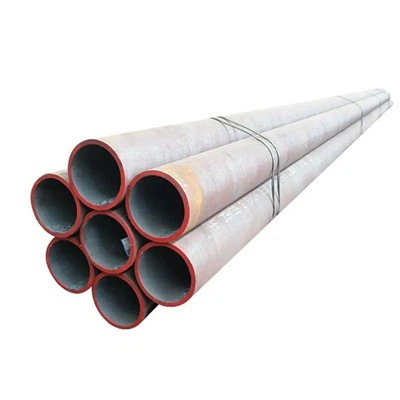
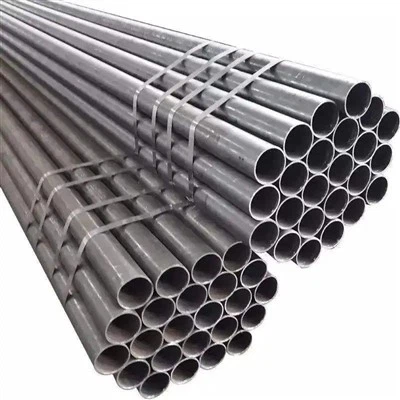
Hey there! As a supplier of ASTM Boiler Pipes, I often get asked about the chemical composition of these pipes. Well, I'm here to break it down for you in a way that's easy to understand.
First off, ASTM boiler pipes need to meet certain standards to ensure they can handle the high - pressure and high - temperature conditions in boilers. The chemical composition plays a crucial role in determining the pipe's strength, durability, and resistance to corrosion.
Carbon Steel ASTM Boiler Pipes
Most ASTM boiler pipes are made of carbon steel. Carbon steel is a popular choice because it's relatively inexpensive and has good mechanical properties. In carbon steel ASTM boiler pipes, carbon is the main alloying element. The carbon content usually ranges from about 0.1% to 0.35%. A higher carbon content generally means higher strength, but it also makes the steel more brittle.
For example, if you're looking for a pipe that can withstand high - pressure steam in a large industrial boiler, you might opt for a carbon steel pipe with a carbon content closer to 0.35%. On the other hand, if you need a pipe for a smaller, less demanding boiler system, a lower carbon content pipe could be sufficient.
In addition to carbon, there are other elements present in carbon steel ASTM boiler pipes. Manganese is one of them. Manganese helps to improve the strength and hardness of the steel. It also acts as a deoxidizer during the steel - making process. The manganese content in these pipes typically ranges from 0.3% to 1.5%.
Silicon is another important element. It helps to increase the strength and oxidation resistance of the steel. Usually, the silicon content in carbon steel ASTM boiler pipes is around 0.1% to 0.5%.
Sulfur and phosphorus are considered impurities in carbon steel. High levels of sulfur can cause hot shortness, which means the steel becomes brittle at high temperatures. Phosphorus can make the steel brittle at low temperatures. So, the sulfur and phosphorus content in ASTM boiler pipes is strictly controlled. Generally, the sulfur content should be less than 0.05% and the phosphorus content less than 0.04%.
If you're interested in carbon steel seamless pipes for your boiler, you can check out our Carbon Steel Seamless OCTG Pipe. These pipes are made with high - quality carbon steel and are designed to meet the strict ASTM standards.
Alloy Steel ASTM Boiler Pipes
Sometimes, carbon steel alone might not be enough to meet the requirements of certain boiler applications. That's where alloy steel ASTM boiler pipes come in. Alloy steel pipes have additional alloying elements added to enhance their properties.
One common alloying element is chromium. Chromium helps to improve the corrosion resistance and oxidation resistance of the steel. It also increases the strength and hardness of the pipe at high temperatures. In alloy steel ASTM boiler pipes, the chromium content can range from 0.5% to 9%.
Molybdenum is another important alloying element. It improves the high - temperature strength and creep resistance of the steel. Creep is the gradual deformation of a material under a constant load at high temperatures. A small amount of molybdenum, usually around 0.15% to 1%, can significantly enhance the performance of the boiler pipe in high - temperature environments.


Nickel is also added to some alloy steel boiler pipes. Nickel helps to improve the toughness and corrosion resistance of the steel, especially in low - temperature environments. The nickel content can vary depending on the specific application, but it's typically in the range of 0.2% to 5%.
Our Boiler Seamless Pipe includes a variety of alloy steel options. These pipes are carefully engineered to provide the best performance in different boiler systems.
Stainless Steel ASTM Boiler Pipes
Stainless steel ASTM boiler pipes are used in applications where high corrosion resistance is required. The main alloying element in stainless steel is chromium. A minimum of 10.5% chromium is needed to form a passive oxide layer on the surface of the steel, which protects it from corrosion.
In addition to chromium, stainless steel boiler pipes often contain nickel and molybdenum. Nickel improves the ductility and toughness of the steel, while molybdenum enhances the pitting and crevice corrosion resistance.
For example, in a boiler system that handles corrosive fluids or operates in a harsh environment, a stainless steel boiler pipe would be a great choice. Our Carbon Round Boiler Pipe includes some stainless steel options that are suitable for such demanding applications.
Why the Chemical Composition Matters
The chemical composition of ASTM boiler pipes is not just a bunch of numbers. It directly affects the performance and safety of the boiler system. A pipe with the wrong chemical composition might fail prematurely, leading to costly repairs and potential safety hazards.
For instance, if a pipe has too much sulfur or phosphorus, it could become brittle and crack under high - pressure conditions. On the other hand, a pipe with the right amount of alloying elements like chromium and molybdenum can withstand high temperatures and corrosive environments for a long time.
As a supplier, we understand the importance of getting the chemical composition right. That's why we work closely with our manufacturers to ensure that all our ASTM boiler pipes meet the strictest standards.
Looking to Buy ASTM Boiler Pipes?
If you're in the market for ASTM boiler pipes, we've got you covered. Whether you need carbon steel, alloy steel, or stainless steel pipes, we have a wide range of options to choose from. Our pipes are of the highest quality and are competitively priced.
We can help you select the right pipe based on your specific boiler system requirements. Just tell us about your application, the operating conditions, and your budget, and we'll recommend the best solution for you.
Don't hesitate to reach out if you have any questions or if you're ready to start the procurement process. We're here to make your boiler pipe buying experience as smooth as possible.
References
- ASM Handbook Volume 1: Properties and Selection: Irons, Steels, and High - Performance Alloys
- ASTM International Standards for Boiler and Pressure Vessel Piping
- "The Science and Technology of Boiler Tubes" by various authors in academic journals