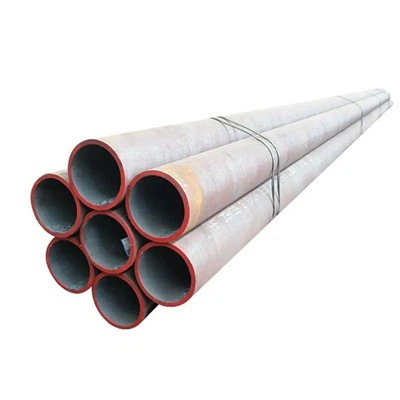
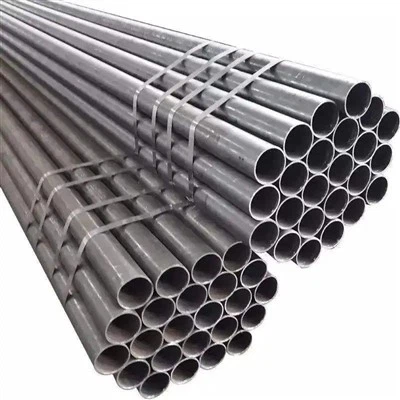
Carbon boiler pipes are integral components in various industrial applications, especially in power generation, heating systems, and chemical processing. Their chemical stability is a crucial factor that determines their performance, longevity, and safety in these demanding environments. As a reputable Carbon Boiler Pipe supplier, we understand the significance of chemical stability and its impact on the overall quality of our products.
Understanding Chemical Stability in Carbon Boiler Pipes
Chemical stability refers to the ability of a material to resist chemical reactions under specific conditions. In the context of carbon boiler pipes, this means the pipes' ability to withstand corrosion, oxidation, and other chemical processes that could degrade their structure and performance. The chemical stability of carbon boiler pipes is influenced by several factors, including the composition of the carbon steel, the operating conditions, and the presence of impurities.
Composition of Carbon Steel
Carbon steel is an alloy primarily composed of iron and carbon, with small amounts of other elements such as manganese, silicon, sulfur, and phosphorus. The carbon content in carbon steel typically ranges from 0.05% to 2.0%, which significantly affects the mechanical and chemical properties of the steel. Higher carbon content generally increases the strength and hardness of the steel but may also reduce its ductility and weldability.
In addition to carbon, other alloying elements can be added to carbon steel to enhance its chemical stability. For example, chromium and nickel can improve the corrosion resistance of the steel, while molybdenum can increase its high-temperature strength and creep resistance. These alloying elements form a protective oxide layer on the surface of the steel, which acts as a barrier against corrosion and oxidation.


Operating Conditions
The operating conditions of carbon boiler pipes, such as temperature, pressure, and the composition of the fluid flowing through the pipes, can have a significant impact on their chemical stability. High temperatures and pressures can accelerate chemical reactions, increasing the risk of corrosion and oxidation. The presence of corrosive substances in the fluid, such as acids, alkalis, and salts, can also cause damage to the pipes.
For example, in power generation plants, carbon boiler pipes are often exposed to high-temperature steam and combustion gases, which can contain sulfur dioxide, nitrogen oxides, and other corrosive substances. These substances can react with the iron in the carbon steel to form iron oxides and sulfides, which can weaken the structure of the pipes and lead to leaks and failures.
Impurities
Impurities in carbon steel can also affect its chemical stability. Sulfur and phosphorus are two common impurities in carbon steel that can reduce its corrosion resistance and mechanical properties. Sulfur can form iron sulfide inclusions in the steel, which can act as sites for corrosion initiation. Phosphorus can increase the brittleness of the steel, making it more susceptible to cracking and failure.
To ensure the chemical stability of carbon boiler pipes, it is essential to use high-quality carbon steel with low levels of impurities. Our company uses advanced manufacturing processes and strict quality control measures to minimize the presence of impurities in our carbon boiler pipes, ensuring their reliability and durability in various operating conditions.
Factors Affecting the Chemical Stability of Carbon Boiler Pipes
Corrosion
Corrosion is one of the most significant factors affecting the chemical stability of carbon boiler pipes. It is a natural process that occurs when the metal reacts with its environment, resulting in the deterioration of the metal surface. There are several types of corrosion that can affect carbon boiler pipes, including uniform corrosion, pitting corrosion, crevice corrosion, and stress corrosion cracking.
Uniform corrosion occurs when the entire surface of the pipe is exposed to a corrosive environment, resulting in a gradual loss of material. Pitting corrosion is a localized form of corrosion that occurs when small pits or holes form on the surface of the pipe. Crevice corrosion occurs in narrow gaps or crevices between two metal surfaces, where the flow of oxygen is restricted. Stress corrosion cracking occurs when a combination of tensile stress and a corrosive environment causes cracks to form in the pipe.
To prevent corrosion, various corrosion protection methods can be used, such as coatings, inhibitors, and cathodic protection. Coatings, such as epoxy and zinc coatings, can provide a physical barrier between the metal surface and the corrosive environment. Inhibitors are chemical substances that can be added to the fluid flowing through the pipes to reduce the rate of corrosion. Cathodic protection is a method of protecting the metal by making it the cathode of an electrochemical cell.
Oxidation
Oxidation is another important factor affecting the chemical stability of carbon boiler pipes. It occurs when the metal reacts with oxygen in the air or in the fluid flowing through the pipes, resulting in the formation of metal oxides. Oxidation can cause the surface of the pipe to become rough and brittle, reducing its strength and durability.
The rate of oxidation depends on several factors, including the temperature, the oxygen concentration, and the composition of the metal. High temperatures and high oxygen concentrations can accelerate the oxidation process, while the presence of certain alloying elements, such as chromium and nickel, can slow down the oxidation rate.
To prevent oxidation, carbon boiler pipes can be coated with a protective layer of oxide or other materials. For example, a thin layer of chromium oxide can be formed on the surface of the steel by heating the steel in an oxygen-rich environment. This oxide layer can act as a barrier against further oxidation.
Erosion
Erosion is a mechanical process that occurs when the surface of the pipe is worn away by the impact of solid particles or the flow of fluid. Erosion can cause damage to the surface of the pipe, reducing its thickness and strength. It can also expose the underlying metal to corrosion and oxidation, increasing the risk of failure.
The rate of erosion depends on several factors, including the velocity of the fluid, the size and shape of the solid particles, and the hardness and toughness of the metal. High fluid velocities and large solid particles can increase the rate of erosion, while the use of harder and tougher materials can reduce the risk of erosion.
To prevent erosion, carbon boiler pipes can be designed with smooth internal surfaces and appropriate flow velocities. The use of erosion-resistant materials, such as stainless steel or ceramic coatings, can also help to reduce the impact of erosion on the pipes.
Importance of Chemical Stability in Carbon Boiler Pipes
The chemical stability of carbon boiler pipes is of utmost importance in ensuring their reliable and safe operation. A lack of chemical stability can lead to various problems, such as corrosion, oxidation, and erosion, which can cause damage to the pipes and reduce their lifespan. These problems can also result in leaks, failures, and downtime, which can have a significant impact on the productivity and profitability of industrial operations.
In addition to the economic consequences, a lack of chemical stability in carbon boiler pipes can also pose a safety risk to personnel and the environment. Leaks and failures in the pipes can release hazardous substances, such as steam, hot water, and chemicals, which can cause burns, injuries, and environmental pollution. Therefore, it is essential to ensure the chemical stability of carbon boiler pipes to prevent these potential hazards.
As a Carbon Boiler Pipe supplier, we are committed to providing our customers with high-quality products that meet the highest standards of chemical stability. Our carbon boiler pipes are manufactured using advanced technologies and strict quality control measures to ensure their reliability and durability. We offer a wide range of Carbon Round Boiler Pipe, GR.B Casing Tube, and ASTM Boiler Pipe to meet the diverse needs of our customers.
Conclusion
The chemical stability of carbon boiler pipes is a critical factor that determines their performance, longevity, and safety in various industrial applications. It is influenced by several factors, including the composition of the carbon steel, the operating conditions, and the presence of impurities. Understanding these factors and taking appropriate measures to ensure the chemical stability of carbon boiler pipes is essential for preventing corrosion, oxidation, and erosion, and for ensuring the reliable and safe operation of industrial systems.
As a Carbon Boiler Pipe supplier, we have the expertise and experience to provide our customers with high-quality products that meet the highest standards of chemical stability. If you are in need of carbon boiler pipes, please contact us to discuss your requirements and to learn more about our products and services. We look forward to working with you to meet your needs and to provide you with the best solutions for your industrial applications.
References
- ASM Handbook, Volume 13A: Corrosion: Fundamentals, Testing, and Protection. ASM International.
- Corrosion Basics: An Introduction. NACE International.
- Material Science and Engineering: An Introduction. William D. Callister Jr. and David G. Rethwisch.