As a natural gas pipe supplier, I understand the critical importance of proper installation practices for natural gas pipes. The safe and efficient installation of natural gas pipes is not only essential for the smooth operation of gas systems but also for the safety of users. In this blog, I will share some of the best practices for natural gas pipe installation based on industry standards and my experience in the field.
Pre - installation Planning
Before any installation work begins, thorough planning is crucial. First, it is necessary to conduct a detailed site survey. This includes assessing the topography of the installation area, identifying any potential obstacles such as existing underground utilities (water pipes, electrical cables), and understanding the soil conditions. For example, if the soil is prone to shifting or has a high water table, special measures may need to be taken to ensure the stability of the pipes.
Secondly, compliance with local codes and regulations is non - negotiable. Different regions have specific requirements regarding natural gas pipe installation, including pipe material, installation depth, and safety clearances. Failure to adhere to these codes can result in legal issues and pose significant safety risks. As a supplier, we ensure that our Carbon Natural Gas Pipe and X42 Natural Gas Pipe meet all relevant industry standards, but it is the installer's responsibility to follow local regulations.
Another important aspect of pre - installation planning is to determine the appropriate pipe size. The pipe size depends on the expected gas flow rate, the length of the pipe run, and the pressure requirements of the system. Using an undersized pipe can lead to reduced gas flow and increased pressure drop, while an oversized pipe can be wasteful and costly.

Pipe Material Selection
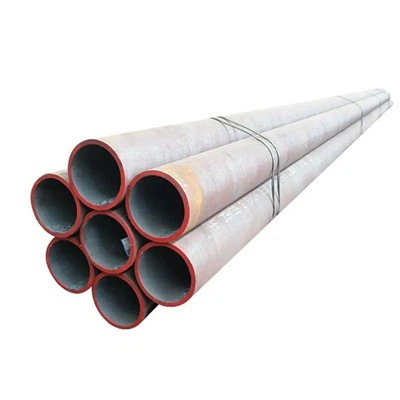
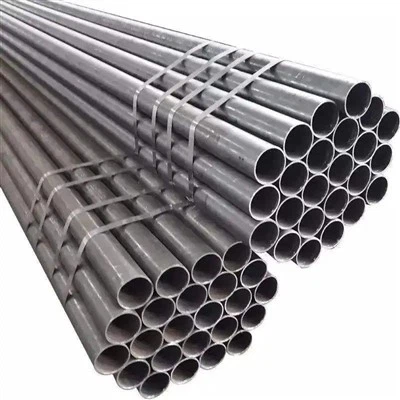
The choice of pipe material is a fundamental decision in natural gas pipe installation. Steel pipes are a popular choice due to their strength, durability, and resistance to corrosion. Our Carbon Natural Gas Pipe is made of high - quality carbon steel, which provides excellent mechanical properties and can withstand high pressure.
For some applications, X42 Natural Gas Pipe is preferred. X42 is a grade of steel pipe with specific yield strength and other mechanical properties. It is suitable for medium - pressure natural gas transmission systems and offers a good balance between cost and performance.
In addition to steel pipes, polyethylene (PE) pipes are also used in certain situations, especially for underground installations. PE pipes are lightweight, flexible, and have good corrosion resistance. However, they may not be suitable for high - pressure applications or areas with potential mechanical damage.
Pipe Installation Process
Trenching
When installing underground natural gas pipes, trenching is the first step. The trench should be dug to the appropriate depth as specified by local codes, usually at least 18 inches (457 mm) for residential applications. The bottom of the trench should be level and free of sharp objects that could damage the pipes. If the soil is unstable, additional support such as sand bedding may be required.
Pipe Laying
Once the trench is ready, the pipes are laid in the trench. It is important to ensure that the pipes are properly aligned and supported. For steel pipes, they should be welded or joined using appropriate fittings. Welding should be carried out by qualified welders following strict welding procedures to ensure the integrity of the joints. For PE pipes, fusion welding is commonly used to create strong and leak - free joints.
Pressure Testing
After the pipes are installed and connected, pressure testing is a critical step. The system should be pressurized to a specified level (usually higher than the normal operating pressure) and held for a certain period of time to check for leaks. Any leaks found should be repaired immediately. Pressure testing not only ensures the safety of the system but also verifies the quality of the installation work.
Backfilling
Once the pressure test is successful, the trench can be backfilled. The backfill material should be free of large rocks and debris to prevent damage to the pipes. It is recommended to use a layer of sand or other suitable material to cover the pipes before adding the remaining backfill. This provides additional protection to the pipes.
Safety Measures
Safety is the top priority in natural gas pipe installation. Installers should wear appropriate personal protective equipment (PPE), including safety glasses, gloves, and hard hats. When working in confined spaces or around gas - filled pipes, proper ventilation is essential to prevent the accumulation of gas.
Leak detection is an ongoing process. Installers should use reliable leak detection equipment, such as gas detectors, to check for any gas leaks during and after the installation process. In addition, all gas - related equipment should be properly labeled and maintained to ensure safe operation.

Post - installation Inspection and Maintenance
After the installation is completed, a thorough inspection should be carried out by a qualified inspector. The inspector will check the installation against local codes and industry standards, including the quality of the joints, the integrity of the pipes, and the proper functioning of the safety devices.
Regular maintenance is also necessary to ensure the long - term performance of the natural gas pipe system. This includes periodic inspections for corrosion, leaks, and damage. Any issues found should be addressed promptly to prevent potential safety hazards.
Conclusion
Proper natural gas pipe installation is a complex process that requires careful planning, the right choice of materials, and strict adherence to safety standards. As a natural gas pipe supplier, we are committed to providing high - quality Carbon Natural Gas Pipe, X42 Natural Gas Pipe, and Natural Gas Line Pipe to support safe and efficient installations.
If you are involved in a natural gas pipe installation project or are looking to purchase high - quality natural gas pipes, we invite you to contact us for more information and to discuss your specific requirements. Our team of experts is ready to assist you in making the right choices for your project.
References
- National Fire Protection Association (NFPA). NFPA 54: National Fuel Gas Code.
- American Society of Mechanical Engineers (ASME). ASME B31.8: Gas Transmission and Distribution Piping Systems.
- International Association of Plumbing and Mechanical Officials (IAPMO). Uniform Plumbing Code (UPC).