Can a natural gas pipe be extended? This is a question that often arises in the context of various construction and energy - related projects. As a natural gas pipe supplier, I have encountered this query numerous times from clients, contractors, and even end - users. In this blog, I will explore the feasibility, considerations, and procedures involved in extending natural gas pipes.
Feasibility of Extending Natural Gas Pipes
The short answer is yes, a natural gas pipe can be extended. However, it is not a task that should be taken lightly. Natural gas is a highly flammable substance, and any work on gas pipes must comply with strict safety regulations and standards. The feasibility largely depends on several factors, including the existing pipe material, the condition of the current pipeline, and the local regulations and codes.
Material Compatibility
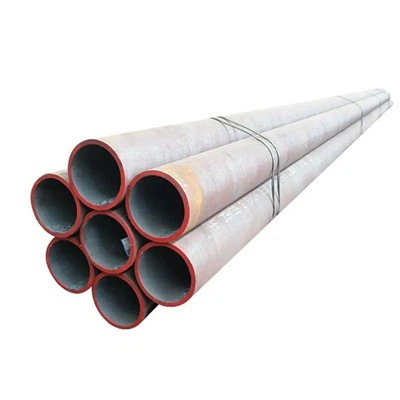
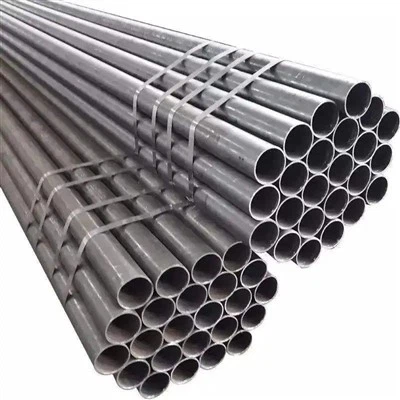
When extending a natural gas pipe, the new pipe material must be compatible with the existing one. Common materials for natural gas pipes include steel, copper, and plastic. Steel pipes, such as Carbon Natural Gas Seamless Steel Pipe, are known for their strength and durability. They can withstand high pressure and are suitable for long - distance and high - volume gas transportation. If the existing pipe is made of steel, the extension should also be of steel to ensure a proper connection and prevent corrosion or leakage due to material incompatibility.
Copper pipes are often used in residential applications due to their ease of installation and resistance to corrosion. When extending a copper natural gas pipe, the new section should be made of the same type of copper to maintain the integrity of the system. Plastic pipes, on the other hand, are lightweight and resistant to corrosion. But they require special connectors and installation techniques. Mixing different pipe materials without proper consideration can lead to leaks, which are extremely dangerous in a natural gas system.
Condition of the Existing Pipeline
Before extending a natural gas pipe, a thorough inspection of the existing pipeline is necessary. The pipeline may have been in service for a long time, and factors such as corrosion, wear, and damage can affect its structural integrity. If the existing pipe is severely corroded or damaged, it may not be suitable for an extension. In some cases, it may be more appropriate to replace the entire pipeline rather than attempting an extension. For example, if an old steel pipe has significant internal corrosion, adding a new section may not solve the underlying problem, and the risk of leakage or rupture remains high.
Local Regulations and Codes
Local regulations and codes play a crucial role in determining whether a natural gas pipe can be extended. These regulations are in place to ensure the safety of the public and the proper functioning of the gas distribution system. In many areas, only licensed and qualified professionals are allowed to work on natural gas pipelines. The installation of an extended pipe must meet specific requirements regarding pipe size, pressure ratings, and installation methods.
For instance, some codes may require that the extended pipe be buried at a certain depth to protect it from damage. Others may specify the type of joints and connectors that can be used. Failure to comply with these regulations can result in fines, legal issues, and most importantly, a significant safety hazard.
Procedures for Extending Natural Gas Pipes
If it is determined that extending a natural gas pipe is feasible, the following procedures should be followed:
Planning and Design
The first step is to develop a detailed plan and design for the extension. This includes determining the length and route of the new pipe, as well as the type and size of the pipe required. The plan should also consider factors such as the expected gas flow rate, pressure requirements, and any potential obstacles or hazards along the route. For example, if the extension needs to cross under a road or a building, special precautions and engineering solutions may be required.
Obtaining Permits
Once the plan is finalized, the necessary permits must be obtained from the local authorities. This typically involves submitting the design plans, safety assessments, and proof of compliance with relevant regulations. The permitting process can take some time, so it is important to start early to avoid delays in the project.
Shutting Off the Gas Supply
Before any work begins on the existing pipeline, the gas supply must be shut off. This is a critical safety step to prevent the release of natural gas during the installation process. The gas company should be notified in advance, and they may assist in shutting off the supply and ensuring that it is safe to work on the pipe.
Installation
The installation of the extended pipe should be carried out by qualified professionals. The new pipe should be carefully connected to the existing pipeline using appropriate joints and connectors. For steel pipes, welding or threaded connections may be used, while copper pipes are often joined using soldering techniques. Plastic pipes require special connectors that are designed to create a secure and leak - free connection.
During the installation process, it is important to follow all safety procedures and quality control measures. The pipe should be properly supported and secured to prevent movement or damage. Any joints or connections should be thoroughly inspected for leaks using pressure testing or other appropriate methods.
Testing and Inspection
After the installation is complete, the entire pipeline system, including the extension, must be tested and inspected. Pressure testing is commonly used to check for leaks and ensure that the pipeline can withstand the expected operating pressure. A thorough visual inspection should also be carried out to check for any signs of damage or improper installation. Only after the pipeline has passed all the tests and inspections can the gas supply be restored.
Our Products for Natural Gas Pipe Extensions
As a natural gas pipe supplier, we offer a wide range of high - quality pipes suitable for extensions. Our Natural Gas Line Pipe is made from premium materials and meets all the relevant industry standards. It is available in various sizes and thicknesses to meet different project requirements.
Our X42 Natural Gas Pipe is another excellent option for extensions. It has a high strength - to - weight ratio and is resistant to corrosion, making it suitable for both onshore and offshore applications. Whether you are working on a small residential project or a large - scale industrial installation, we have the right pipe for you.


Conclusion
In conclusion, extending a natural gas pipe is possible, but it requires careful planning, compliance with regulations, and the use of high - quality materials and professional installation. As a reliable natural gas pipe supplier, we are committed to providing our customers with the best products and technical support for their pipe extension projects. If you are considering extending a natural gas pipe, we encourage you to contact us for more information and to discuss your specific needs. Our team of experts is ready to assist you in ensuring a safe and successful pipe extension.
References
- American Gas Association (AGA). Codes and Standards for Natural Gas Systems.
- National Fire Protection Association (NFPA). NFPA 54: National Fuel Gas Code.
- International Association of Plumbing and Mechanical Officials (IAPMO). Plumbing and Mechanical Codes.