Hey there! As a supplier of galvanized steel pipes, I often get asked if these pipes are suitable for high - temperature steam pipelines. Well, let's dive right into this topic and figure it out.
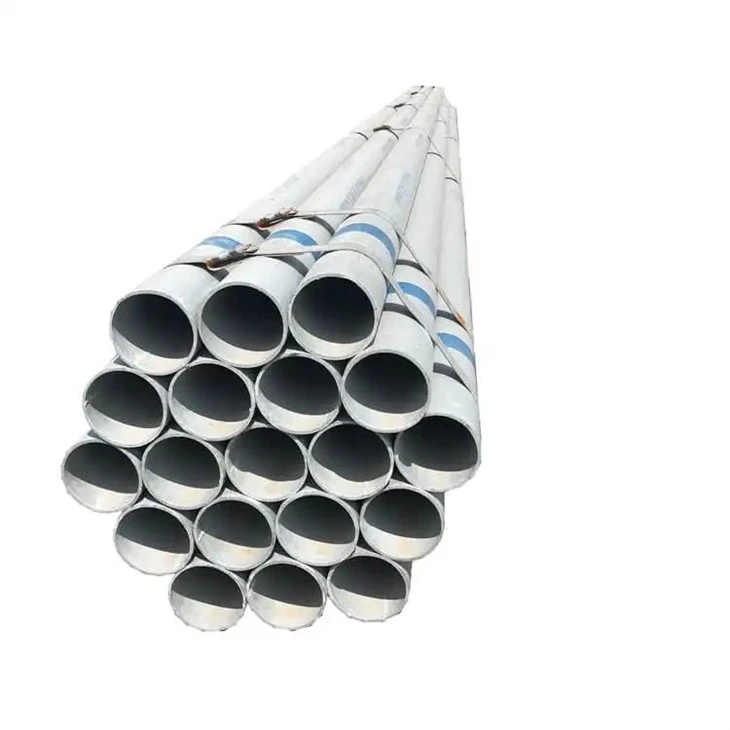
First off, let's talk a bit about galvanized steel pipes. Galvanized steel pipes are regular steel pipes that have been coated with a layer of zinc. This zinc coating is like a protective shield for the steel, preventing it from rusting and corroding. It's a common choice in many plumbing and construction projects because it's cost - effective and generally reliable.
Now, when it comes to high - temperature steam pipelines, things get a bit tricky. High - temperature steam can reach temperatures well above 100°C (212°F), and sometimes even much higher depending on the industrial process. And the properties of galvanized steel pipes change when exposed to such high temperatures.
One of the main issues is the zinc coating. Zinc has a relatively low melting point compared to steel. The melting point of zinc is around 419.5°C (787.1°F). When the temperature of the steam in the pipeline gets close to or exceeds this point, the zinc coating starts to break down. Once the zinc coating is compromised, the steel beneath is left vulnerable to corrosion. Rust can start to form, which can lead to leaks in the pipeline over time.
Another problem is the expansion and contraction of the pipe. High - temperature steam causes the pipe to expand. Galvanized steel pipes have a certain coefficient of thermal expansion. If the temperature fluctuations are too extreme, the pipe may expand and contract more than it can handle. This can lead to stress on the pipe joints and the pipe itself. Over time, this stress can cause cracks to develop, which is a major safety hazard in a high - temperature steam pipeline.
However, it's not all bad news. In some cases, galvanized steel pipes can still be used for high - temperature steam pipelines. If the steam temperature is relatively low, say below 200°C (392°F), the zinc coating is less likely to break down immediately. And if the temperature fluctuations are not too extreme, the pipe can handle the expansion and contraction without too many issues.
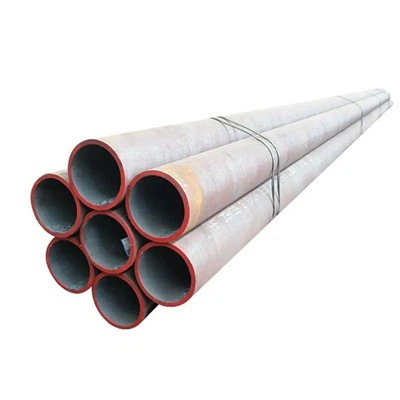
Let's take a look at some of the types of galvanized steel pipes we offer at our company. We have the API 5L PSL1 Galvanized Steel Pipe. This pipe is made to meet the API 5L PSL1 standards, which means it has certain quality and performance requirements. It's a relatively high - quality galvanized steel pipe that can withstand some level of stress.
We also offer the API 2B Galvanized Corrosion Resistant Pipe. This pipe is designed to be more corrosion - resistant, which is important even in a high - temperature steam environment. The API 2B standard ensures that the pipe has the right chemical composition and mechanical properties.
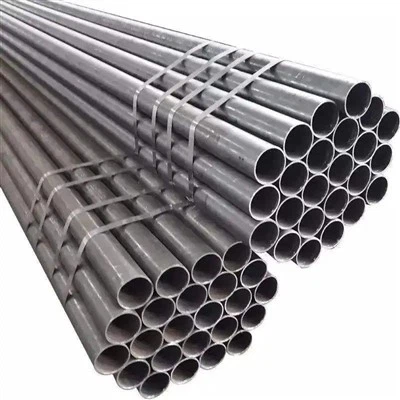
And then there's the Galvanized Corrosion Resistant Steel Pipe. This is a general - purpose galvanized steel pipe that offers good corrosion resistance. It can be a cost - effective option for some applications where the temperature of the steam is not extremely high.
When considering using galvanized steel pipes for high - temperature steam pipelines, it's important to do a thorough assessment of the specific situation. You need to know the exact temperature of the steam, the pressure in the pipeline, and the frequency of temperature fluctuations. You also need to consider the length of the pipeline and the type of joints used.
If you're in an industrial setting where the steam temperature is very high, it might be better to consider other types of pipes, like stainless steel pipes. Stainless steel has a much higher melting point and better corrosion resistance at high temperatures. But stainless steel pipes are also more expensive.
On the other hand, if you're in a small - scale operation where the steam temperature is relatively low and the budget is tight, galvanized steel pipes can be a viable option. You just need to make sure to monitor the pipeline regularly for any signs of corrosion or damage.
So, are galvanized steel pipes suitable for high - temperature steam pipelines? It depends. There are definitely some challenges, but in the right circumstances, they can work. If you're not sure whether galvanized steel pipes are the right choice for your high - temperature steam pipeline project, feel free to reach out to us. We have a team of experts who can help you evaluate your needs and make the best decision.
We understand that every project is unique, and we're committed to providing you with the best - suited pipes for your application. Whether it's a small - scale plumbing project or a large - scale industrial installation, we have the knowledge and the products to meet your requirements.
If you're interested in learning more about our galvanized steel pipes or discussing your high - temperature steam pipeline needs, don't hesitate to contact us. We're here to help you make the right choice for your project.
References:

- ASME Boiler and Pressure Vessel Code
- API Standards for Steel Pipes
So, if you think galvanized steel pipes might be a fit for your project, get in touch and let's start the conversation about your specific requirements.