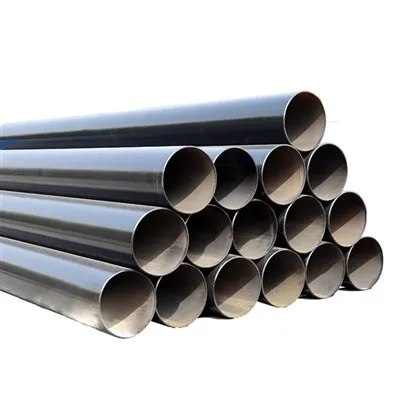
Steel is one of the most widely used materials in construction, manufacturing, and engineering applications. Among its many types, mild steel and carbon steel are two of the most common. While they may appear similar in appearance and composition, there are important distinctions that make each type suitable for different applications. Understanding these differences helps manufacturers, engineers, and fabricators make better material choices for durability, weldability, and cost-efficiency.
This article explores the difference between mild steel and carbon steel, focusing on their composition, mechanical strength, corrosion resistance, and industrial uses. Whether you are sourcing raw materials or designing structural components, knowing which steel fits your needs can make a significant difference in performance and long-term reliability.
What Is the Main Difference Between Mild Steel and Carbon Steel?
The main difference between mild steel and carbon steel lies in the carbon content. Mild steel contains a low percentage of carbon-usually between 0.05% and 0.25%-which makes it more ductile and easier to weld or form. Carbon steel, on the other hand, can contain up to 2% carbon, leading to increased hardness and tensile strength but decreased flexibility.
In simple terms, mild steel is a subtype of carbon steel. All mild steels are carbon steels, but not all carbon steels are mild. Higher carbon levels increase strength and hardness but reduce ductility and weldability. This is why mild steel is often used in applications that require shaping or bending, while higher-carbon steels are used for tools, machinery, and load-bearing structures.
At Huayang Steel Pipe, both mild and carbon steel pipes are manufactured following international standards such as ASTM, API, and EN, ensuring consistent quality for global industrial use.
Learn more about Huayang Steel Pipe products
Chemical Composition and Classification
The chemical composition of steel significantly affects its behavior during fabrication and its performance in service. Both mild and carbon steels consist mainly of iron and carbon, but trace elements like manganese, silicon, and sulfur also play a role.
Classification by Carbon Content
| Type of Steel | Carbon Content (%) | Characteristics | Common Applications |
|---|---|---|---|
| Mild Steel (Low Carbon) | 0.05–0.25 | Excellent ductility, easy to weld and form | Pipes, structural beams, auto parts |
| Medium Carbon Steel | 0.30–0.60 | Higher strength, less ductility | Gears, axles, machinery parts |
| High Carbon Steel | 0.60–1.00 | Very hard, high wear resistance | Cutting tools, springs |
| Ultra-High Carbon Steel | 1.00–2.00 | Extremely hard, brittle | Knives, dies, specialized tools |
As shown, mild steel sits at the low end of the carbon spectrum, offering excellent formability and weldability. Carbon steel, depending on its carbon percentage, can range from moderately strong to extremely hard, which affects how it's used across industries.
Mechanical Properties and Strength Comparison
How Carbon Content Influences Strength
The mechanical strength of steel is closely linked to its carbon content. As carbon increases, the steel becomes harder and stronger due to the formation of iron-carbide structures within its lattice. However, this also makes it more brittle.
| Property | Mild Steel | Carbon Steel |
|---|---|---|
| Tensile Strength (MPa) | 370–440 | 500–1000+ |
| Yield Strength (MPa) | 250–350 | 400–900 |
| Elongation (%) | 25–40 | 10–20 |
| Hardness (HB) | 120–160 | 170–250 |
Mild steel is preferred where formability and flexibility are essential-such as in pipe fabrication and automotive body panels-while higher-grade carbon steel is used in structural supports and heavy machinery that demand superior load-bearing capacity.


Corrosion Resistance and Finishing
Neither mild steel nor carbon steel is inherently corrosion-resistant, as both lack significant chromium content found in stainless steels. However, they can be protected through coatings such as galvanization, epoxy, or 3PE coating.
At Huayang Steel Pipe, black and galvanized finishes are commonly used for mild and carbon steel pipes to extend service life in harsh environments, particularly in construction and oil & gas applications.
Explore ERW and Seamless Steel Pipe Coatings
Weldability and Fabrication
Mild steel's low carbon content makes it much easier to weld without cracking. It can be joined using most common methods such as MIG, TIG, or stick welding. Carbon steel, especially high-carbon varieties, requires preheating and post-weld heat treatment to prevent brittleness or cracking at the weld joints.
Typical Fabrication Comparison
| Fabrication Property | Mild Steel | Carbon Steel |
|---|---|---|
| Weldability | Excellent | Moderate to Poor |
| Formability | Excellent | Fair to Good |
| Machinability | Good | Depends on hardness |
| Heat Treatment | Not usually required | Often required |
This is why mild steel is the go-to material for pipe welding and construction, while carbon steel is chosen for precision components where hardness and wear resistance are prioritized.
Applications Across Industries
Both types of steel are integral to industrial development, but their applications differ based on their mechanical and metallurgical properties.
Mild Steel Applications
- Construction beams and columns
- Low-pressure steel pipes and fittings
- Automobile body parts and chassis
- Furniture frames and general fabrication
Carbon Steel Applications
- Pressure vessels and high-pressure pipelines
- Gears, crankshafts, and axles
- Tools, blades, and heavy-duty machinery components
- Reinforcement in bridges and skyscrapers
Huayang Steel Pipe supplies both ERW and seamless mild steel and carbon steel pipes for these industries, ensuring consistent performance under global standards.
View Huayang Seamless and ERW Pipe Products
Cost and Economic Considerations
From a commercial standpoint, mild steel is more economical due to lower alloying and simpler processing. Carbon steels, particularly high-carbon grades, are more expensive because of additional heat treatment, higher energy consumption, and greater machining difficulty.
| Factor | Mild Steel | Carbon Steel |
|---|---|---|
| Material Cost (per ton) | $700–$850 | $900–$1200 |
| Processing Difficulty | Low | High |
| Durability | Moderate | High |
| Maintenance Cost | Low | Moderate |
In large-scale projects such as pipeline systems, agricultural irrigation networks, and mechanical fabrication, mild steel offers a cost-effective balance of strength and workability.
Environmental and Sustainability Aspects
Both mild and carbon steels are 100% recyclable, contributing to sustainable manufacturing practices. Mild steel's lower carbon content means less energy consumption during production, making it slightly more eco-friendly. Carbon steel, while more energy-intensive, can have a longer lifespan in heavy-duty applications, reducing replacement frequency.
Huayang Steel Pipe prioritizes sustainable manufacturing through efficient production lines and waste minimization, aligning with international environmental standards.
Choosing the Right Steel for Your Application
When deciding between mild steel vs carbon steel, consider these factors:
- Required Strength: Use carbon steel for high-stress or wear-resistant applications.
- Ease of Fabrication: Choose mild steel for welding, bending, or general manufacturing.
- Budget Constraints: Mild steel is more cost-effective.
- Operating Conditions: For exposure to moisture or chemicals, ensure proper coating or galvanization.
Both materials serve important roles in global industries. The right choice depends on balancing mechanical performance, cost, and service environment.
Conclusion
In summary, mild steel is a form of low-carbon steel that offers excellent workability and affordability, while carbon steel provides greater strength and hardness for heavy-duty applications. Both materials are essential to modern infrastructure, manufacturing, and energy sectors.
Huayang Steel Pipe, based in Mengcun, Hebei, manufactures a wide range of ERW and seamless mild and carbon steel pipes that meet ASTM, API, and EN standards. Whether for construction, oil & gas, or mechanical use, Huayang provides durable and precisely manufactured steel solutions worldwide.
Read More Articles
Difference Between Seamless and Welded Steel Pipe
What Does ERW Mean in Welding?
Schedule 40 vs Schedule 80 Pipe: Which to Choose?