


In the diverse landscape of industrial piping, steel pipes are fundamental components for transporting fluids, gases, and slurries across various sectors, including oil and gas, water treatment, construction, and manufacturing. When selecting the appropriate pipe for a project, engineers and procurement specialists often face a critical decision between Electric Resistance Welded (ERW) steel pipes and Seamless Steel Pipes. Both types offer distinct advantages and are manufactured through different processes, leading to variations in performance characteristics, cost implications, and suitability for specific applications. This article provides a comprehensive analysis of ERW vs. Seamless steel pipes, examining their manufacturing methods, key properties, cost factors, and ideal applications to help make informed decisions for industrial projects. Hebei Huayang Steel Pipe Co., Ltd. offers both ERW and LSAW (which often competes with seamless in larger diameters) solutions, understanding the nuances of each.
Understanding the Manufacturing Processes
The fundamental difference between ERW and Seamless pipes lies in their manufacturing methods, which directly influence their structural integrity and performance.
Seamless Steel Pipes
Seamless pipes are produced from a solid round billet of steel, which is heated and then pushed or pulled over a piercing rod to create a hollow tube. This process involves no welding, resulting in a pipe with a uniform structure throughout its circumference. The absence of a weld seam is often perceived as an advantage in certain high-pressure or high-temperature applications.
Electric Resistance Welded (ERW) Steel Pipes
ERW pipes are manufactured from steel coils (skelp) that are cold-formed into a cylindrical shape. The edges of the formed strip are then heated to a welding temperature by high-frequency electric current and forged together without the addition of filler metal. This process creates a longitudinal weld seam. Modern High-Frequency Welding (HFW) technology, a subset of ERW, produces a very strong and consistent weld, often with an inline heat treatment to normalize the weld zone.
Key Performance Characteristics and Properties
|
Feature |
ERW Steel Pipes |
Seamless Steel Pipes |
|
Manufacturing Method |
Cold-formed from steel strip, high-frequency electric resistance welding. |
Hot-pierced or cold-drawn from solid billet, no weld seam. |
|
Weld Seam |
Longitudinal weld seam (HFW technology ensures high integrity). |
No weld seam. |
|
Dimensional Accuracy |
Excellent, tight tolerances on OD and WT. |
Good, but can have wider tolerances on OD and WT, especially for larger sizes. |
|
Surface Finish |
Smooth internal and external surfaces (weld flash removed). |
Can have a rougher internal surface, especially in hot-rolled. |
|
Wall Thickness Uniformity |
Highly uniform. |
Can vary more around the circumference. |
|
Pressure Rating |
High, suitable for many high-pressure applications. |
Traditionally preferred for extreme high-pressure/temperature applications. |
|
Corrosion Resistance |
Good, especially with proper coating. |
Good, uniform material structure. |
|
Cost |
Generally more cost-effective, especially for mid-range diameters. |
Generally higher cost due to more complex manufacturing. |
|
Typical Applications |
Oil & gas gathering/distribution, water pipelines, structural, mechanical tubing. |
High-pressure boilers, heat exchangers, chemical processing, extreme temperature service. |
Analyzing Suitability for Industrial Projects
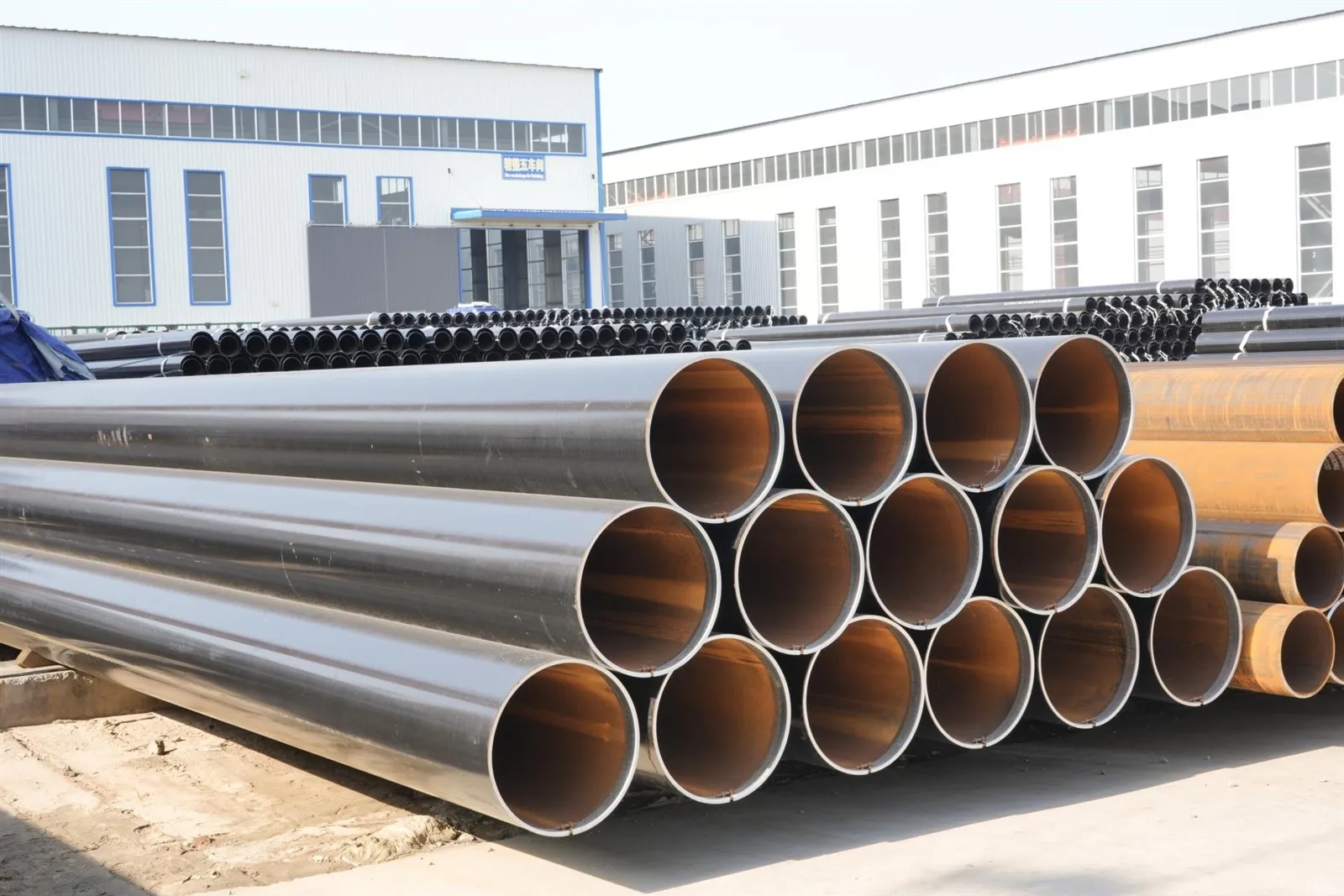
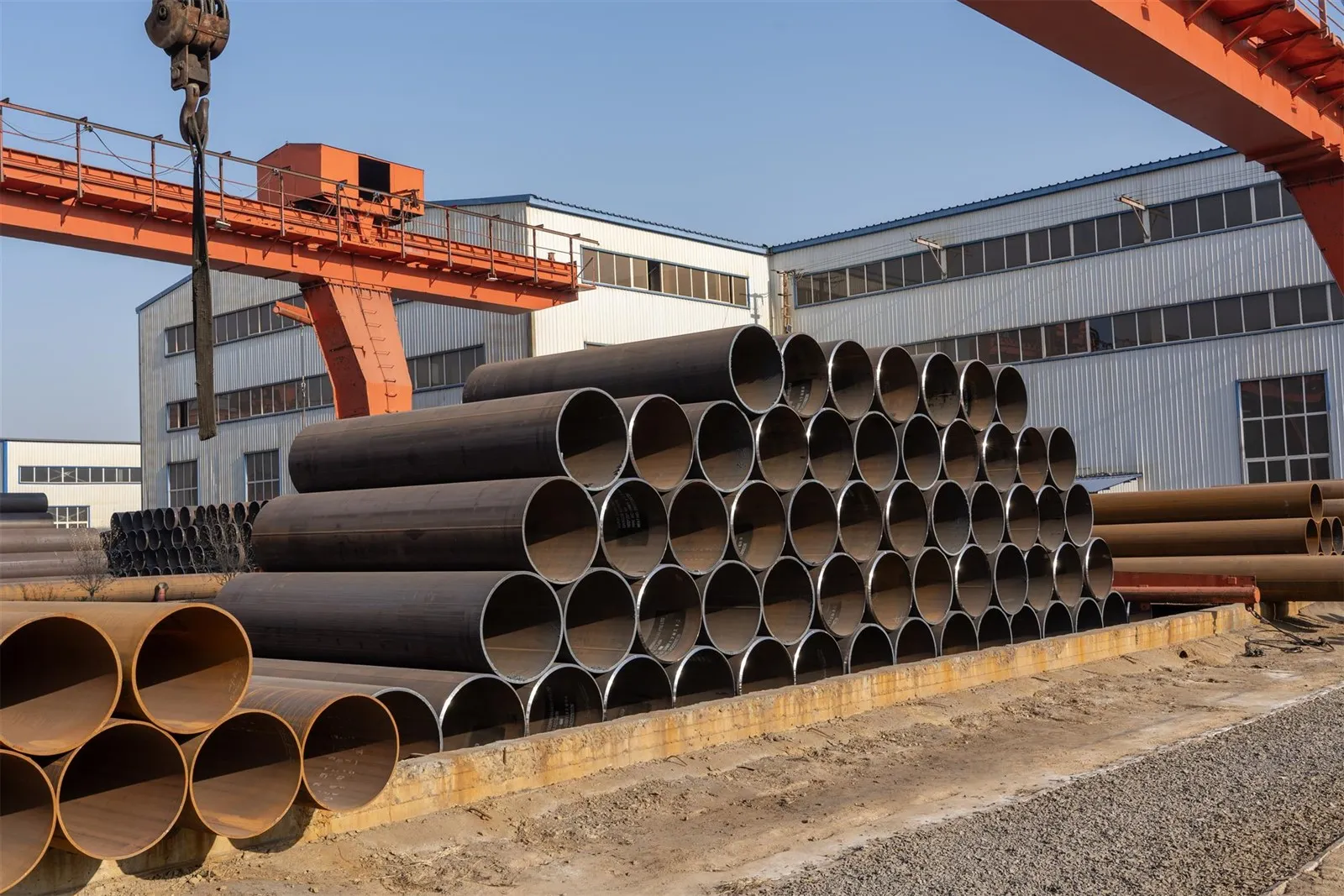
When to Choose ERW Steel Pipes:
ERW pipes are an excellent choice for a wide range of industrial projects due to their balance of performance and cost-effectiveness:
•Mid-Range Pressure Applications: Ideal for oil and gas gathering lines, distribution networks, and product pipelines where pressures are significant but not extreme.
•Water Transmission: Widely used for municipal water supply, irrigation, and industrial water lines due to their smooth internal surface (reducing flow resistance) and cost-efficiency.
•Structural Applications: Suitable for various structural components, piling, and mechanical tubing where consistent dimensions and good strength are required.
•Cost-Sensitive Projects: When project budgets are a key consideration, ERW pipes offer a more economical solution without compromising essential performance, especially for diameters up to 24 inches.
•High Volume Requirements: The continuous and efficient manufacturing process of ERW pipes makes them suitable for projects requiring large quantities with consistent quality and timely delivery.
Modern ERW (HFW) pipes, particularly those manufactured to API 5L standards, have significantly closed the performance gap with seamless pipes in many applications, offering comparable strength and integrity.
When to Choose Seamless Steel Pipes:
Seamless pipes are typically specified for more demanding and critical applications where the absence of a weld seam is considered a paramount advantage:
•Extreme High-Pressure/High-Temperature Service: Historically preferred for boiler tubes, heat exchangers, and chemical processing where operating conditions are at the upper limits of material capabilities.
•Corrosive Environments: In highly corrosive environments, the uniform structure of seamless pipes can sometimes offer a slight advantage, though modern ERW pipes with advanced coatings perform exceptionally well.
•Small Diameter, Thick Wall: For very small diameter pipes with thick walls, seamless manufacturing can be more practical.
Huayang's Expertise in Both ERW and LSAW Solutions
Hebei Huayang Steel Pipe Co., Ltd. specializes in providing high-quality ERW and LSAW steel pipes. While ERW pipes are excellent for many applications, our LSAW pipes are designed for larger diameters and heavier wall thicknesses, often competing with seamless pipes in terms of structural integrity and performance for critical large-scale projects. Our commitment to advanced manufacturing technologies, rigorous quality control, and adherence to international standards (including API 5L) ensures that whether you choose ERW or LSAW, you receive a product optimized for your project's specific needs.
We work closely with our clients to understand their project requirements, offering expert guidance on selecting the most suitable pipe type, grade, and coating to achieve optimal performance and cost-efficiency.
Comparative Analysis: ERW vs. Seamless Steel Pipes
|
Aspect |
ERW Steel Pipes |
Seamless Steel Pipes |
|
Manufacturing Process |
High-frequency welding of formed steel strip. |
Piercing of solid steel billet. |
|
Weld Zone |
Present, but highly refined and strong with HFW. |
Absent. |
|
Dimensional Precision |
Superior (OD, WT, straightness). |
Good, but less uniform than ERW. |
|
Material Homogeneity |
Excellent in base metal, weld zone normalized. |
Excellent throughout. |
|
Cost-Effectiveness |
High, especially for mid-range diameters. |
Higher, due to complex process and material yield. |
|
Typical Diameter Range |
Up to 24 inches (610 mm). |
Up to 24 inches (610 mm), but often smaller for critical applications. |
|
Key Advantage |
Cost-efficiency, excellent dimensional control, good weld integrity. |
Absence of weld seam, traditionally preferred for extreme conditions. |
In conclusion, the choice between ERW and Seamless steel pipes is not a matter of one being inherently superior to the other, but rather about selecting the most appropriate solution based on a project's specific performance requirements, budget constraints, and application environment. While seamless pipes have a long-standing reputation for extreme conditions, modern API 5L compliant ERW (HFW) steel pipes offer a highly reliable, cost-effective, and dimensionally precise alternative for a vast array of industrial projects. Hebei Huayang Steel Pipe Co., Ltd. stands ready to provide the expertise and high-quality products necessary to ensure the success of your next pipeline endeavor.


