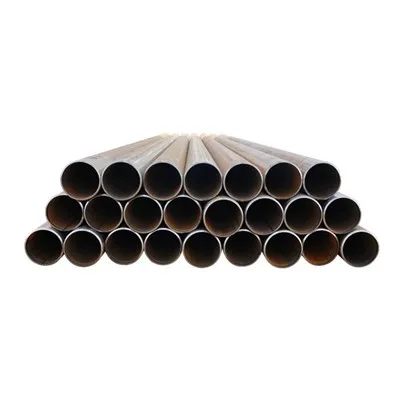
Submerged Arc Welding is one of the most important and widely used welding processes in the steel pipe manufacturing industry. It plays a critical role in the production of LSAW pipes, SSAW pipes, and structural steel components used in pipelines, offshore engineering, pressure vessels, and various other industrial applications. Known for its high-quality welds, deep penetration, and exceptional deposition rate, SAW continues to be a preferred welding technology for large-scale, high-strength steel projects around the world.
This comprehensive article explains the principles, equipment, process characteristics, advantages, applications, and quality control methods of submerged arc welding. It is designed as an in-depth technical guide for engineers, buyers, and industry professionals while being optimized for SEO and readability.
Understanding the Basics of Submerged Arc Welding
Submerged Arc Welding is a fusion welding process in which the arc is struck beneath a layer of granular flux. Unlike open-arc welding processes, the arc in SAW is not visible during operation because it is completely hidden under the flux blanket. This provides protection from atmospheric contamination and enables a stable, high-efficiency welding environment.
The process uses a continuously fed wire electrode, with both the electrode and base material melted by the arc. The flux not only protects the weld but also forms a slag that covers the molten pool, controlling cooling rates and contributing to weld quality.
Key Components of the SAW System
A typical SAW setup includes several essential elements, each contributing to welding stability and precision:
• Power supply
• Wire electrode
• Flux feeding and delivery system
• Welding head and control panel
• Wire feeding mechanism
• Flux hopper and recycling system
• Travel carriage or automated welding platform
The ability to automate the entire welding process is one of the primary reasons why SAW is widely applied in the production of longitudinal welded pipes and spiral welded pipes.
How Submerged Arc Welding Works
During SAW, the electrode wire is continuously fed into the weld zone where the arc melts both the wire and the base metal. Granular flux is deposited in front of the arc, fully covering the welding area. As welding progresses:
- The arc generates intense heat.
- The flux melts and forms a protective slag layer.
- The molten slag floats to the top, shielding the weld metal.
- The weld pool solidifies under the slag.
- The slag is later removed once the weld cools.
Because the arc is submerged, the process is quiet, clean, and capable of extremely deep penetration. This is why SAW is commonly used in welding thick plates, large-diameter pipes, and high-strength structural components.


Features of Submerged Arc Welding
High Deposition Rate
SAW allows deposition rates much higher than manual welding or other open-arc processes. This makes it ideal for heavy-duty industrial manufacturing.
Deep Weld Penetration
Its ability to achieve deep penetration ensures strong and reliable weld joints, even on thick-walled pipes used in oil and gas pipelines.
High Welding Speed
The use of automated equipment and continuous wire feed allows SAW to achieve superior productivity compared to most welding processes.
Low Welding Defects
The flux layer protects the weld from atmospheric contamination, reducing porosity, inclusions, and other common weld defects.
Types of Submerged Arc Welding
There are several variations of SAW depending on the requirements of the application:
Single-Wire SAW
A single electrode is used. Suitable for thin plates and standard welding tasks.
Twin-Wire or Multi-Wire SAW
Two or more electrodes are fed simultaneously. This increases the deposition rate and is highly effective for thick-walled steel pipes.
Tandem SAW
Electrodes are arranged in a line one behind another. Commonly used for high-efficiency pipe welding.
Narrow-Gap SAW
Designed for deep, narrow groove welds that minimize filler material consumption.
The selection depends on the steel grade, pipe diameter, wall thickness, and production speed requirements.
Advantages of Submerged Arc Welding
Submerged Arc Welding offers a wide range of advantages, making it one of the most reliable industrial welding processes.
Excellent Weld Quality
The process produces welds with high toughness, ductility, and uniformity. SAW welds exhibit low hydrogen content and minimal impurities.
Superior Mechanical Properties
Because of controlled cooling and slag protection, SAW weld metal typically has refined microstructure, low residual stress, and high resistance to cracking.
Reduced Environmental Hazards
Since the arc is covered, there is minimal spatter, smoke, and ultraviolet radiation, creating a cleaner and safer working environment.
High Energy Efficiency
SAW achieves high thermal efficiency due to the concentrated heat source and flux coverage.
SAW in Steel Pipe Manufacturing
In the steel pipe industry, SAW is primarily adopted in producing:
• LSAW pipes
• SSAW pipes
• Pressure-bearing pipelines
• Offshore structural pipes
• Line pipes for oil and gas transmission
Application in LSAW Pipe Production
LSAW pipes are produced by bending steel plates and welding along the longitudinal seam. SAW is used for both internal and external welds. The deep penetration capability ensures a weld that can withstand high internal pressures and harsh service conditions.
Application in SSAW Pipe Production
In SSAW pipes, the welding seam is spiral. SAW provides consistent weld bead formation and high joint strength throughout the spiral path, enabling long single-length pipe production.
Welding Process Parameters
Temperature, current, voltage, wire feed speed, travel speed, and flux composition must be carefully controlled. Appropriate parameter selection ensures stable arc performance and optimal weld formation.
Improper parameter selection may cause defects such as undercut, lack of fusion, slag inclusions, or excessive weld reinforcement.
Flux and Electrode Selection
Flux and electrode composition significantly affect weld quality, especially for high-strength steel pipes.
Flux determines:
• Weld metal chemistry
• Slag detachability
• Penetration depth
• Weld bead shape
Electrodes must match the mechanical properties required for the intended application.
Quality Control in SAW
Quality control measures include:
• Visual inspection
• Ultrasonic testing
• Radiographic testing
• Mechanical testing
• Macrostructure examination
These inspections ensure that welds meet international standards such as API 5L, ASTM specifications, EN standards, and national regulations.
Applications of SAW Welded Steel Products
Submerged arc welded pipes and components are widely used in:
• Long-distance oil and gas pipelines
• Petrochemical transportation
• Structural foundations
• Offshore platforms
• Pressure vessels
• Hydropower engineering
• Marine and shipbuilding industries
The reliability of SAW welds makes them suitable for environments involving high pressure, temperature fluctuations, and corrosive media.
Conclusion
Submerged Arc Welding is a robust, efficient, and highly reliable welding technology that plays a central role in the production of high-quality welded steel pipes. Its ability to deliver deep penetration, high deposition rates, and excellent weld consistency ensures that SAW remains indispensable in industries that demand strength, durability, and long-term performance.
As pipeline infrastructure expands globally and engineering requirements become more demanding, the importance of advanced SAW technology continues to grow. Manufacturers that adopt precise process control and modern SAW automation systems are able to supply steel pipes that meet the strictest international standards for safety and reliability.