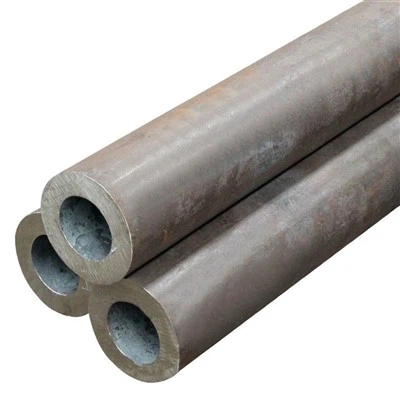
Hey there! As a supplier of Gas 90 Degree Elbows, I often get asked about the difference between seamless and welded gas 90 degree elbows. So, I thought I'd sit down and write this blog to give you all the lowdown.
Let's start with what a gas 90 degree elbow actually is. Simply put, it's a pipe fitting that changes the direction of a gas pipeline by 90 degrees. These elbows are crucial in many industries, like oil and gas, chemical processing, and even in our homes for things like natural gas lines. They play a big part in ensuring that gas flows smoothly through the system.
Now, onto the main topic - seamless vs. welded gas 90 degree elbows.
Seamless Gas 90 Degree Elbows
Seamless elbows are just like they sound - they don't have any welds. They're made from a solid piece of metal. The process usually involves taking a round billet, heating it up, and then using various techniques to shape it into an elbow.
One of the biggest advantages of seamless elbows is their strength. Since there are no welds, there are no potential weak points that could fail under pressure. This makes them ideal for high-pressure applications. For instance, in the oil and gas industry, where the pressure in pipelines can be extremely high, seamless gas 90 degree elbows are often the go-to choice.
Another pro is their smooth interior surface. The lack of a weld means there's no raised seam on the inside of the pipe. This results in less friction for the gas flowing through, which can lead to more efficient flow and less energy loss. It also reduces the risk of corrosion and buildup in the elbow, which can extend the lifespan of the fitting.
On the flip side, seamless elbows are generally more expensive to produce. The manufacturing process is more complex and requires specialized equipment. This cost is then passed on to the customer. Also, the lead time for seamless elbows can be longer, as they can't be produced as quickly as welded ones.
Welded Gas 90 Degree Elbows
Welded elbows, as you might guess, are made by welding pieces of metal together. There are different methods of welding, but the most common ones are submerged arc welding (SAW) and electric resistance welding (ERW).
The main advantage of welded elbows is their cost. They're usually much cheaper than seamless ones. The manufacturing process is quicker and less labor - intensive, which means lower production costs. For projects with a tight budget, welded gas 90 degree elbows can be a great option.
Welded elbows also offer more flexibility in terms of size and thickness. It's easier to produce large - diameter and thick - walled elbows using welding techniques. This makes them suitable for a wide range of applications, from small - scale home plumbing to large industrial projects.
However, welded elbows do have some drawbacks. The weld is a potential weak point. If the welding is not done properly, it can lead to leaks or even a complete failure of the elbow under pressure. Over time, the weld can also be more prone to corrosion compared to the rest of the pipe. Also, the interior surface of a welded elbow may not be as smooth as that of a seamless one. This can cause more friction for the gas flow and may require more maintenance to prevent buildup.
Applications and Considerations
When choosing between seamless and welded gas 90 degree elbows, you need to consider the specific application. For high - pressure, high - demand applications such as those in the petroleum and chemical industries, seamless elbows are often preferred. Their superior strength and smooth interior make them well - suited for ensuring the safe and efficient transfer of gas.
On the other hand, for low - pressure systems like residential or small - scale commercial gas pipelines, welded elbows can be a cost - effective solution. They can still provide reliable service as long as the weld quality is good and proper installation procedures are followed.
It's also important to think about the quality control measures in place. Whether you're using seamless or welded elbows, you want to make sure they meet industry standards. This includes things like material composition, wall thickness, and weld quality if it's a welded elbow.
Other Related Elbows
If you're in the market for pipe fittings, you might also be interested in other types of elbows. For instance, Gas 45 Degree Elbow can be used when you need a smaller change in direction in your gas pipeline. They're useful in situations where a 90 - degree turn is too sharp.


Gas 180 Degree Elbow comes in handy when you need to reverse the direction of the gas flow. These are often used in industrial settings where the layout of the pipeline requires a U - turn.
Carbon 45 Degree Elbow can be a great option for applications where you need an elbow with good strength and corrosion resistance. Carbon steel is a durable material that can withstand different environmental conditions.
Conclusion
In conclusion, both seamless and welded gas 90 degree elbows have their own unique advantages and disadvantages. As a supplier, my job is to help you understand these differences so you can make an informed decision based on your specific needs.
If you're working on a gas pipeline project, whether it's a small repair or a large - scale industrial installation, I'm here to assist you. I can offer you high - quality gas 90 degree elbows, along with expert advice on which type is best for your situation. Don't hesitate to get in touch if you'd like to discuss your requirements or start a purchase negotiation. I'm confident that we can work together to find the perfect solution for your project.
References
- "Piping Handbook" by Nayyar D. Modi
- "Welding Technology Handbook" by John R. Davis