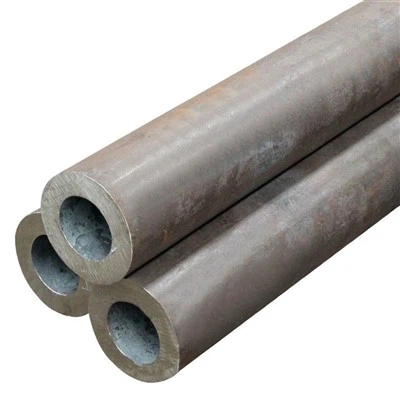
Can a degree elbow be used in a water treatment plant? This is a question that often comes up in the industry, and as a supplier of degree elbows, I'm here to provide a comprehensive answer.
Understanding the Role of Degree Elbows in General
Degree elbows, as the name suggests, are pipe fittings that change the direction of a pipeline at a specific angle. Common angles include 45 degrees, 90 degrees, and 180 degrees. These fittings are crucial in piping systems as they allow for flexibility in layout and routing, enabling pipes to navigate around obstacles, connect different sections of a system, and adapt to the physical constraints of a given space.


In various industrial applications, degree elbows are used to ensure the smooth flow of fluids or gases. They are designed to minimize pressure drop and turbulence, which can affect the efficiency and performance of a system. The choice of the degree of the elbow depends on the specific requirements of the application, such as the available space, the desired flow direction, and the overall design of the piping network.
Suitability of Degree Elbows in Water Treatment Plants
Water treatment plants are complex facilities that involve multiple processes to purify and treat water for various uses, such as drinking water supply, industrial processes, and wastewater treatment. The piping systems in these plants play a vital role in transporting water, chemicals, and other substances between different treatment units.
Flow Management
One of the key aspects of water treatment plant operations is the management of water flow. Degree elbows can be used to direct the flow of water through different treatment stages, such as sedimentation, filtration, disinfection, and storage. For example, a Gas 45 Degree Elbow can be used to gradually change the direction of water flow, reducing the risk of sudden changes in pressure and minimizing the formation of eddies and vortices. This helps to maintain a stable and efficient flow, which is essential for the proper functioning of the treatment processes.
Space Optimization
Water treatment plants often have limited space, especially in urban areas. Degree elbows allow for the efficient use of available space by enabling pipes to be routed in a more compact and organized manner. A 90 Degree Elbow can be used to make sharp turns, allowing pipes to navigate around equipment, structures, or other obstacles. This helps to reduce the overall footprint of the piping system and can lead to cost savings in terms of construction and installation.
Compatibility with Water Treatment Processes
The materials used in degree elbows must be compatible with the chemicals and substances used in water treatment processes. For example, in the disinfection stage, chlorine or other disinfectants are often added to the water to kill bacteria and other microorganisms. The degree elbows used in this stage must be resistant to the corrosive effects of these chemicals to ensure long-term durability and reliability. Stainless steel, for example, is a commonly used material for degree elbows in water treatment plants due to its high corrosion resistance.
Factors to Consider When Using Degree Elbows in Water Treatment Plants
While degree elbows can be beneficial in water treatment plants, there are several factors that need to be considered to ensure their proper selection and use.
Material Selection
As mentioned earlier, the material of the degree elbow is crucial. In addition to corrosion resistance, the material must also be able to withstand the pressure and temperature conditions of the water treatment process. For high-pressure applications, materials such as carbon steel or alloy steel may be more suitable, while for low-pressure applications, plastic or fiberglass-reinforced plastic (FRP) elbows may be a viable option.
Flow Characteristics
The flow characteristics of the water in the treatment plant must also be taken into account. The design of the degree elbow can affect the flow pattern, pressure drop, and turbulence within the pipe. For example, a smooth and streamlined elbow design can minimize pressure drop and turbulence, while a rough or irregular elbow surface can cause increased friction and energy losses. Computational fluid dynamics (CFD) analysis can be used to simulate the flow characteristics and optimize the design of the degree elbows.
Installation and Maintenance
Proper installation and maintenance of degree elbows are essential for their long-term performance. The elbows must be installed correctly to ensure a leak-free connection and to prevent the formation of stress concentrations. Regular inspection and maintenance are also required to detect any signs of corrosion, wear, or damage and to replace the elbows if necessary.
Our Range of Degree Elbows
As a supplier of degree elbows, we offer a wide range of products to meet the diverse needs of water treatment plants. Our Gas 45 Degree Elbow is designed to provide a smooth and gradual change in flow direction, reducing pressure drop and turbulence. It is available in various materials, including stainless steel, carbon steel, and plastic, to suit different applications.
Our 180 Degree Silicone Elbow is ideal for applications where a complete reversal of flow direction is required. It is made of high-quality silicone rubber, which is flexible, durable, and resistant to corrosion and chemicals. This elbow is suitable for use in a wide range of temperatures and can be easily installed and removed.
We also offer Gas 90 Degree Elbow in different materials and sizes. These elbows are designed to provide a sharp turn in the pipeline and are commonly used in applications where space is limited or where a precise change in flow direction is required.
Contact Us for Your Degree Elbow Needs
If you are involved in the water treatment industry and are looking for high-quality degree elbows, we would be delighted to assist you. Our team of experts can provide you with detailed technical advice and help you select the right products for your specific requirements. Whether you need a small quantity of elbows for a maintenance project or a large order for a new water treatment plant, we have the capacity and expertise to meet your needs.
Contact us today to start a discussion about your degree elbow requirements and explore how our products can enhance the efficiency and performance of your water treatment plant.
References
- ASME B16.9 - Factory-Made Wrought Steel Buttwelding Fittings
- AWWA C200 - Steel Water Pipe - 6 In. (150 mm) and Larger
- ASTM D2665 - Standard Specification for Poly (Vinyl Chloride) (PVC) Plastic Pipe, Schedules 40, 80, and 120