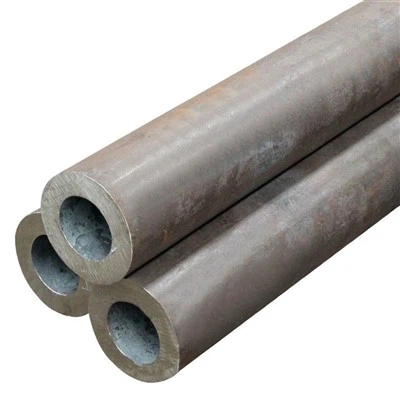
As a seasoned supplier of oil line pipes, I've witnessed firsthand the dynamic evolution of this industry. The future of oil line pipe development is shaped by a multitude of factors, including technological advancements, environmental concerns, and market demands. In this blog, I'll explore the key trends that are likely to define the future of oil line pipes.
1. Enhanced Material Properties
One of the most significant trends in oil line pipe development is the continuous improvement of material properties. As oil and gas exploration moves into more challenging environments, such as deep - sea and arctic regions, pipes need to withstand higher pressures, temperatures, and corrosive conditions.
Advanced steels with improved strength, toughness, and corrosion resistance are being developed. For example, high - strength low - alloy (HSLA) steels are increasingly used due to their excellent combination of strength and weldability. These steels can reduce the weight of the pipes while maintaining their structural integrity, which is crucial for offshore applications where transportation and installation costs are high.
Moreover, new corrosion - resistant alloys are being explored. These alloys can significantly extend the service life of oil line pipes, especially in sour gas environments where hydrogen sulfide is present. The development of these materials not only enhances the reliability of oil and gas transportation but also reduces maintenance costs over the long term.
2. Precision Manufacturing Technologies
Precision manufacturing is another key trend in the oil line pipe industry. Advanced manufacturing processes, such as seamless pipe production techniques, are becoming more refined. Seamless pipes offer superior strength and integrity compared to welded pipes, as they have no weld seams that could potentially be weak points.
In addition, computer - numerical - control (CNC) machining and automated inspection systems are being widely adopted. CNC machining allows for highly accurate shaping and sizing of pipes, ensuring that they meet the strictest industry standards. Automated inspection systems, such as ultrasonic testing and magnetic particle inspection, can detect even the smallest defects in the pipes, guaranteeing their quality and safety.
The use of these precision manufacturing technologies not only improves the quality of oil line pipes but also increases production efficiency. Faster production times and higher yields can lead to cost savings for both manufacturers and end - users.
3. Integration of Smart Technologies
The future of oil line pipes will also see the integration of smart technologies. With the rise of the Internet of Things (IoT), pipes can be equipped with sensors to monitor various parameters, such as pressure, temperature, and corrosion levels, in real - time.
These sensors can transmit data to a central control system, allowing operators to detect potential problems early and take preventive measures. For example, if a sensor detects a sudden drop in pressure, it could indicate a leak in the pipeline. Operators can then quickly locate the leak and carry out repairs, minimizing the risk of environmental damage and production losses.
In addition, smart technologies can be used for predictive maintenance. By analyzing the data collected from the sensors, algorithms can predict when a pipe is likely to fail or require maintenance. This proactive approach can reduce downtime and maintenance costs, improving the overall efficiency of the oil and gas transportation system.
4. Environmental Sustainability
Environmental concerns are playing an increasingly important role in the development of oil line pipes. As the world moves towards a more sustainable future, the oil and gas industry is under pressure to reduce its environmental impact.
One aspect of this is the development of more environmentally friendly coatings for pipes. Traditional coatings often contain harmful chemicals that can leach into the environment. New, eco - friendly coatings are being developed that provide effective corrosion protection without posing a threat to the environment.
Another area of focus is the recycling of used pipes. As the demand for oil and gas continues to grow, so does the amount of waste generated from old pipes. Recycling these pipes can reduce the need for new raw materials and lower the carbon footprint of the industry.
5. Customization and Modular Design
The future of oil line pipes will also be characterized by increased customization and modular design. Different oil and gas projects have unique requirements in terms of pipe size, material, and configuration. Suppliers are now offering more customized solutions to meet these specific needs.
Modular design allows for greater flexibility in pipeline construction. Pipes can be pre - fabricated in modules and then assembled on - site, reducing construction time and costs. This approach is particularly useful for large - scale projects in remote locations, where transportation and on - site construction can be challenging.
Our Offerings and the Role of Key Products
As an oil line pipe supplier, we are committed to staying at the forefront of these trends. We offer a wide range of products that meet the evolving needs of the industry. For instance, our Api 5l Boiler Pipe is designed to meet the high - pressure and high - temperature requirements of modern oil and gas operations. It is made from high - quality materials and manufactured using precision techniques to ensure its reliability and performance.
Our Carbon Round Boiler Pipe is another product that showcases our commitment to quality and innovation. It is suitable for a variety of applications, including boiler systems in oil refineries and power plants. The carbon steel material provides excellent strength and corrosion resistance, making it a popular choice among our customers.
In addition, our GR.B Casing Tube is widely used in the oil and gas industry for well - casing applications. It is designed to withstand the harsh downhole conditions, such as high pressure and abrasive formations.


Conclusion and Call to Action
The future of oil line pipe development is full of exciting opportunities and challenges. As the industry continues to evolve, it is essential for suppliers and customers to stay informed about the latest trends and technologies.
At our company, we are dedicated to providing high - quality oil line pipes that meet the most demanding requirements of the industry. Whether you are looking for standard products or customized solutions, we have the expertise and resources to meet your needs.
If you are interested in learning more about our oil line pipe products or would like to discuss a potential project, please feel free to reach out to us. We look forward to the opportunity to work with you and contribute to the success of your oil and gas operations.
References
- ASME Boiler and Pressure Vessel Code
- API (American Petroleum Institute) Standards
- NACE International Standards for Corrosion Control
- Industry reports on oil and gas pipeline technology advancements