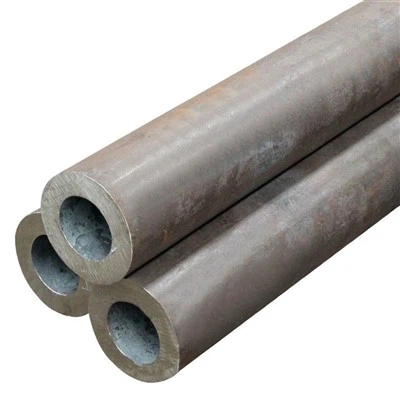
Hey there! As a galvanized steel pipe supplier, I've been dealing with all sorts of these pipes and the joints used to connect them for ages. Galvanized steel pipes are super popular because of their corrosion resistance and durability, and the right joints are crucial for a proper installation. So, let's dive into the different types of joints for galvanized steel pipes.
Threaded Joints
Threaded joints are one of the most common types out there. They're pretty straightforward to install and are great for low - to medium - pressure applications. The way it works is that the ends of the galvanized steel pipes are threaded, and then a threaded coupling or fitting is used to connect them.
The advantage of threaded joints is that they're easy to disassemble and reassemble. If you need to make some changes to your piping system later on, it's not a big deal. You can just unscrew the fittings and make the necessary adjustments. However, they do have some drawbacks. Threaded joints can be prone to leaks, especially if they're not installed correctly. You need to make sure that the threads are properly lubricated and tightened to prevent any leaks.
We offer API 5L PSL1 Galvanized Steel Pipe which can be used with threaded joints in many applications. These pipes meet high - quality standards and are suitable for various industries.
Welded Joints
Welded joints provide a very strong and permanent connection. When you weld two galvanized steel pipes together, you create a single, continuous piece of pipe. This type of joint is ideal for high - pressure applications where you need a leak - proof connection.
There are different welding methods for galvanized steel pipes. One common method is arc welding. With arc welding, an electric arc is used to melt the metal at the joint, and then filler material is added to create a strong bond. Another method is gas welding, which uses a flame to heat the metal.
The main advantage of welded joints is their strength. They can withstand high pressures and are very reliable. But the installation process is more complex and requires skilled welders. Welding also requires special equipment, and it can be time - consuming. Also, the galvanized coating at the welded area can be damaged during the welding process, which may reduce the corrosion resistance of the pipe at that point.
Our Galvanized Corrosion Resistant Steel Pipe is a great choice for welded joints. The corrosion - resistant properties of these pipes ensure a long - lasting and reliable piping system even after welding.
Flanged Joints
Flanged joints are used when you need to connect pipes, valves, or other equipment in a way that allows for easy disassembly and maintenance. A flange is a flat, circular piece that is attached to the end of the pipe. Two flanges are then bolted together with a gasket in between to create a seal.
The advantage of flanged joints is that they're easy to install and remove. If you need to replace a valve or make some repairs, you can simply unbolt the flanges and access the component. They're also suitable for high - pressure and high - temperature applications. However, flanged joints can be more expensive than other types of joints because of the cost of the flanges and gaskets.
For flanged joints, our Thick Wall Galvanized Steel Pipe is a good option. The thick walls of these pipes can handle the stress from the bolts and the pressure in the system.


Compression Joints
Compression joints are a quick and easy way to connect galvanized steel pipes. They consist of a compression nut, a compression ring (also called a ferrule), and a body. The compression ring is placed over the end of the pipe, and then the compression nut is tightened onto the body, which compresses the ring against the pipe to create a seal.
The main advantage of compression joints is their simplicity. You don't need any special tools or skills to install them. They're also reusable, which is great if you need to make some changes to your piping system. However, compression joints may not be suitable for high - pressure applications. They can sometimes loosen over time, especially if there is vibration in the system.
Grooved Joints
Grooved joints are becoming more and more popular in the piping industry. The ends of the pipes are grooved, and then a coupling is placed over the grooves and tightened. The coupling has a rubber gasket that provides a seal.
Grooved joints are easy to install and can accommodate some movement in the piping system. They're also suitable for both high - and low - pressure applications. The installation process is relatively fast, which can save you time and labor costs. However, the grooving process can be a bit tricky, and you need to make sure that the grooves are properly formed.
When choosing the right joint for your galvanized steel pipes, you need to consider several factors. First, think about the pressure and temperature requirements of your application. If you're dealing with high - pressure and high - temperature conditions, welded or flanged joints may be the best choice. If you need a quick and easy installation or the ability to make changes later, threaded or compression joints might be more suitable.
The environment where the pipes will be installed is also important. If the pipes will be exposed to corrosive substances, you need to make sure that the joint will not compromise the corrosion resistance of the pipes.
Another factor is the cost. Some joints, like flanged joints, can be more expensive than others. You need to balance the cost with the performance and durability of the joint.
In conclusion, there are several types of joints for galvanized steel pipes, each with its own advantages and disadvantages. As a galvanized steel pipe supplier, we can help you choose the right pipes and joints for your specific needs. Whether you're working on a small DIY project or a large industrial installation, we've got you covered.
If you're interested in purchasing our galvanized steel pipes or need more information about the different types of joints, don't hesitate to get in touch. We're here to assist you with all your piping needs and can guide you through the selection process to ensure you get the best solution for your project.
References
- American Society of Mechanical Engineers (ASME) standards on piping systems
- Pipe Fitting Handbook by Cameron Iron Works, Inc.
- Welding Handbook by American Welding Society