As a seasoned supplier of boiler pipes, I've witnessed firsthand the challenges that excessive noise in boiler pipes can pose to industrial operations. Noise not only disrupts the working environment but can also be an indicator of underlying issues that may lead to equipment damage or inefficiency. In this blog, I'll share some effective strategies to reduce noise in boiler pipes, drawing on my years of experience in the industry.
Understanding the Sources of Noise in Boiler Pipes
Before we delve into the solutions, it's crucial to understand the common sources of noise in boiler pipes. One of the primary causes is the flow of steam or water through the pipes. When the fluid moves at high velocities or encounters obstructions, it can create turbulence, which in turn generates noise. Another source of noise is the expansion and contraction of the pipes due to temperature changes. This can cause the pipes to rub against their supports or other structures, resulting in rattling or vibrating sounds. Additionally, mechanical components such as valves, pumps, and fittings can also produce noise if they are not functioning properly.
Selecting the Right Boiler Pipes
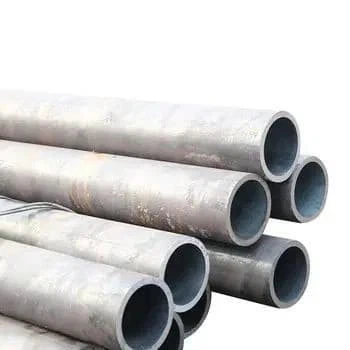
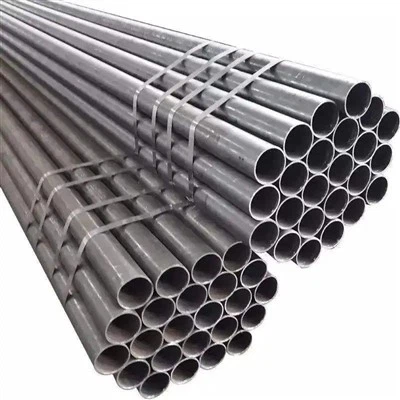
The choice of boiler pipes plays a significant role in reducing noise. At our company, we offer a wide range of high-quality boiler pipes, including Carbon Round Boiler Pipe, Api 5l Boiler Pipe, and Carbon Steel Seamless OCTG Pipe. These pipes are made from high-grade materials that are designed to withstand high pressures and temperatures, while also minimizing noise and vibration.


When selecting boiler pipes, it's important to consider factors such as the size, thickness, and material of the pipes. Larger diameter pipes generally have lower fluid velocities, which can reduce turbulence and noise. Thicker pipes are also more resistant to vibration and can help to dampen noise. Additionally, choosing pipes made from materials with good acoustic properties, such as carbon steel, can further reduce noise levels.
Proper Installation and Support
Proper installation and support of boiler pipes are essential for reducing noise. During the installation process, it's important to ensure that the pipes are aligned correctly and that there are no sharp bends or kinks in the pipes. Sharp bends can cause the fluid to change direction suddenly, creating turbulence and noise. Additionally, the pipes should be supported at regular intervals to prevent them from vibrating or rattling.
We recommend using flexible supports, such as spring hangers or rubber isolators, to absorb vibrations and reduce noise. These supports can help to isolate the pipes from the surrounding structures and prevent the transmission of noise. It's also important to ensure that the supports are properly installed and tightened to prevent them from loosening over time.
Insulation
Insulating boiler pipes is another effective way to reduce noise. Insulation helps to absorb sound waves and prevent them from traveling through the pipes and into the surrounding environment. At our company, we offer a variety of insulation materials, including fiberglass, mineral wool, and foam insulation.
When insulating boiler pipes, it's important to choose the right type and thickness of insulation. The insulation should be installed tightly around the pipes to ensure maximum effectiveness. Additionally, it's important to cover all exposed surfaces of the pipes, including joints and valves, to prevent heat loss and noise leakage.
Maintenance and Monitoring
Regular maintenance and monitoring of boiler pipes are essential for ensuring their proper functioning and reducing noise. It's important to inspect the pipes regularly for signs of wear and tear, such as corrosion, leaks, or cracks. Any damaged or worn-out pipes should be replaced immediately to prevent further damage and noise.
We also recommend monitoring the performance of the boiler system regularly to detect any potential issues early on. This can include monitoring the temperature, pressure, and flow rate of the fluid in the pipes. By detecting and addressing issues early, you can prevent them from escalating into more serious problems that can cause excessive noise and damage to the equipment.
Conclusion
Reducing noise in boiler pipes is an important aspect of maintaining a safe and efficient industrial environment. By selecting the right boiler pipes, ensuring proper installation and support, insulating the pipes, and performing regular maintenance and monitoring, you can significantly reduce noise levels and improve the performance of your boiler system.
If you're interested in learning more about our boiler pipes or have any questions about reducing noise in your boiler system, please don't hesitate to contact us. Our team of experts is always available to provide you with the information and support you need. We look forward to working with you to find the best solutions for your boiler pipe needs.
References
- "Boiler Pipe Design and Installation Guide," Industrial Press Inc., 2018.
- "Noise Control in Industrial Facilities," ASHRAE, 2019.
- "Insulation for Boiler Pipes," Insulation Manufacturer's Association, 2020.