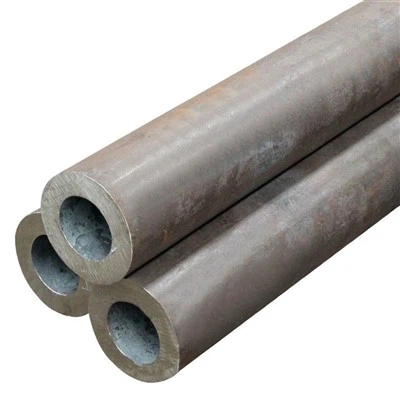
Hey there! As a supplier of Q235B LSAW Steel Pipe, I've seen firsthand how surface treatment can have a huge impact on the performance of these pipes. In this blog, I'm gonna break down how different surface treatments affect the performance of Q235B LSAW Steel Pipe.
First off, let's talk about what Q235B LSAW Steel Pipe is. Q235B is a type of carbon structural steel, and LSAW stands for Longitudinal Submerged Arc Welding. This means the pipe is made by welding a steel plate longitudinally using the submerged arc welding process. These pipes are widely used in various industries like construction, oil and gas, and water transportation because of their good strength and weldability.
Now, onto surface treatment. Surface treatment is like giving your pipes a makeover. It can improve their appearance, but more importantly, it can enhance their performance in different ways. There are several common surface treatments for Q235B LSAW Steel Pipe, and I'll go through each one and explain how they affect the pipe's performance.
1. Galvanizing
Galvanizing is one of the most popular surface treatments for steel pipes. It involves coating the pipe with a layer of zinc. The zinc layer acts as a sacrificial anode, which means it corrodes first before the steel underneath. This provides excellent corrosion resistance to the pipe.
In industries where the pipes are exposed to harsh environments, like in marine applications or underground water pipelines, galvanized Q235B LSAW Steel Pipe can last much longer than non - galvanized ones. For example, in a coastal area where the air is salty, a non - galvanized pipe might start to rust within a few months, while a galvanized pipe can withstand the corrosive environment for years.
However, galvanizing also has some limitations. The zinc layer can be damaged during transportation or installation. If the zinc layer is scratched, the exposed steel is at risk of corrosion. Also, the galvanizing process can be a bit expensive, especially for large - diameter pipes.
2. Painting
Painting is another common surface treatment. You can choose different types of paints depending on the specific requirements of the application. For example, epoxy paint is often used for its good chemical resistance and adhesion.
Painting can not only protect the pipe from corrosion but also improve its aesthetic appearance. In construction projects, painted pipes can blend in better with the overall design. For instance, in a modern building, a black - painted Q235B LSAW Steel Pipe used for structural support can look sleek and stylish.
But painting also has its downsides. The paint layer can peel off over time, especially if it's not applied properly. Exposure to sunlight, extreme temperatures, and mechanical abrasion can all cause the paint to deteriorate. And if the paint is not of good quality, it might not provide adequate protection against corrosion.
3. Shot Blasting
Shot blasting is a mechanical surface treatment. It uses high - velocity steel shots to clean and roughen the surface of the pipe. This process removes rust, scale, and other contaminants from the pipe surface.
Shot blasting improves the adhesion of subsequent coatings. If you plan to paint or galvanize the pipe later, shot - blasted pipes will have a better bond with the coating. It also increases the surface area of the pipe, which can enhance the mechanical interlocking between the pipe and the coating.
However, shot blasting can be a noisy and dusty process. It requires proper equipment and safety measures to ensure the workers' health. And after shot blasting, the pipe needs to be treated quickly to prevent it from rusting again.
4. Phosphating
Phosphating is a chemical surface treatment. It forms a phosphate coating on the pipe surface. This coating can improve the corrosion resistance of the pipe to some extent. It also provides a good base for painting.
Phosphated pipes have better paint adhesion compared to non - phosphated ones. The phosphate coating can fill in the micro - pores on the pipe surface, creating a smooth and uniform surface for paint application.
But phosphating has some environmental concerns. The phosphating solution contains chemicals that can be harmful to the environment if not properly disposed of. And the process requires careful control of the chemical concentration and temperature to ensure a good - quality coating.
Impact on Different Performance Aspects
Corrosion Resistance
As I mentioned earlier, galvanizing and phosphating are great for improving corrosion resistance. Galvanizing provides long - term protection, especially in outdoor and wet environments. Phosphating, on the other hand, can offer some basic corrosion protection and is often used as a pre - treatment for painting.
Painting can also enhance corrosion resistance, but its effectiveness depends on the quality of the paint and the application process. Shot blasting doesn't directly provide corrosion resistance, but it helps other coatings to work better, which indirectly improves the pipe's corrosion resistance.
Mechanical Properties
Surface treatment generally doesn't have a significant impact on the mechanical properties of Q235B LSAW Steel Pipe. However, shot blasting can increase the surface hardness of the pipe to some extent due to the work - hardening effect of the steel shots hitting the surface. But this change in hardness is usually minor and doesn't affect the overall strength and ductility of the pipe.
Weldability
Galvanizing and painting can have an impact on weldability. The zinc layer in galvanized pipes can cause problems during welding. It can vaporize and form pores in the weld, which can reduce the strength of the weld joint. Similarly, if the paint is not removed before welding, it can also lead to poor weld quality.
Shot blasting and phosphating usually don't have a negative impact on weldability. In fact, a clean and properly prepared surface after shot blasting can improve the weldability by ensuring better fusion between the pipe and the welding material.
Comparison with Other Steel Pipes
When comparing Q235B LSAW Steel Pipe with other types of steel pipes, like L245 LSAW Steel Pipe, the surface treatment principles are similar. However, the specific requirements for surface treatment might vary depending on the chemical composition and application of the pipe.
L245 steel has different mechanical properties compared to Q235B. It's often used in the oil and gas industry, where the pipes need to withstand high pressure and corrosive fluids. So, the surface treatment for L245 LSAW Steel Pipe might focus more on high - performance coatings for better corrosion and abrasion resistance.
Another example is API 2B DN1050 LSAW. These pipes are designed according to API standards, which have strict requirements for quality and performance. Surface treatment for API 2B DN1050 LSAW pipes needs to meet these standards to ensure the pipes can be used safely in oil and gas exploration and transportation.
Conclusion
In conclusion, surface treatment plays a crucial role in the performance of Q235B LSAW Steel Pipe. Each surface treatment has its own advantages and disadvantages, and the choice of treatment depends on the specific application and requirements.
If you need pipes for a long - term project in a corrosive environment, galvanizing might be a good choice. For projects where appearance is important and the corrosion risk is relatively low, painting could be sufficient. And if you plan to apply other coatings later, shot blasting or phosphating can be a great pre - treatment.
As a supplier of Q235B LSAW Steel Pipe, I understand the importance of surface treatment. We offer pipes with different surface treatments to meet the diverse needs of our customers. Whether you're working on a small - scale construction project or a large - scale industrial project, we can provide you with high - quality pipes.


If you're interested in Submerged Arc Welding Large Diameter Structural Pipe or any other Q235B LSAW Steel Pipe products, feel free to contact us for more information and to discuss your specific requirements. We're here to help you find the best solution for your project.
References
- ASM Handbook Volume 5: Surface Engineering
- Steel Construction Manual, American Institute of Steel Construction
- Corrosion Resistance of Steel Pipes in Different Environments, Journal of Materials Science and Engineering