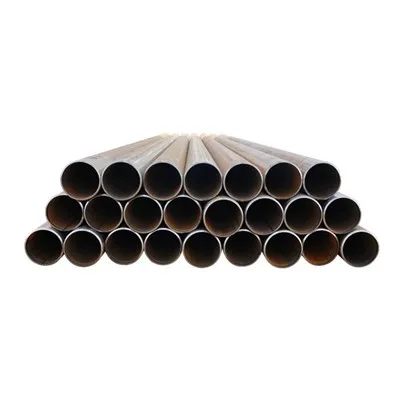
Since late June 2025, China's domestic scrap steel market has shown a weakening trend with persistent downward pressure on prices. Affected by high temperatures, reduced demand, and compressed profit margins at steel mills, market sentiment has become subdued. Many mills have lowered their scrap procurement prices and adopted a cautious wait-and-see approach.
Key Enterprises Lower Scrap Purchase Prices
According to the Information and Statistics Department of the China Scrap Steel Application Association, the average purchase prices for key steel enterprises dropped last week: heavy scrap was down by 10 RMB/ton, medium scrap by 11 RMB/ton, and mixed scrap by 7 RMB/ton. Mills show limited enthusiasm for using scrap steel and are primarily purchasing based on immediate needs.
Low Volume of Recycled Steel Imports
In May, China imported 23,600 tons of recycled steel raw materials, down 24.9% month-on-month and 5.31% year-on-year. From January to May, cumulative imports totaled 114,400 tons, a 9.59% decrease year-on-year. Currently, international prices for recycled steel are about 300 RMB/ton higher than domestic prices, creating a negative price spread that dampens the willingness of mills to import. Although new regulations effective August 1 will allow mixed-loading imports, potentially increasing category diversity and customs clearance efficiency, a short-term import surge remains unlikely.


Regional Market Overview
- East China: Prices remained stable amid cautious sentiment. Mills like Shagang and Nanjing Iron & Steel maintained procurement prices between 2,450–2,510 RMB/ton.
- Central China: Weak but stable trend. Mills such as Wugang reduced prices by 50 RMB/ton, with low inventory and limited procurement activity.
- South China: Prices fell, with Sansteel MinGuang and Shaogang reducing procurement prices due to narrowed profit margins.
- Southwest China: Prices declined amid low market confidence and weak enthusiasm from suppliers. Shougang Guiyang reduced prices by 80 RMB/ton.
- Northwest China: Slight increase in prices due to tight supply. Xining Special Steel and Jiugang raised purchase prices modestly.
- Northeast China: Volatile adjustments, with mills adopting fast in-and-out strategies. Ji'en, Ansteel, and others showed both increases and decreases in pricing.
- North China: Overall weakness, with reduced scrap consumption and downward price pressure. Mills like Shougang Qian'an and Hebei Steel reduced prices in response to sluggish demand.
Outlook
The scrap steel market is expected to remain under pressure in the short term. With production cuts expanding and steelmakers' profits continuing to shrink, procurement will likely remain conservative. Attention should also be given to the potential effects of the new mixed-import policy and seasonal weather conditions such as heat waves and flooding that could disrupt transportation and recycling. A weak and stable market is anticipated in early July, with minor regional fluctuations possible.