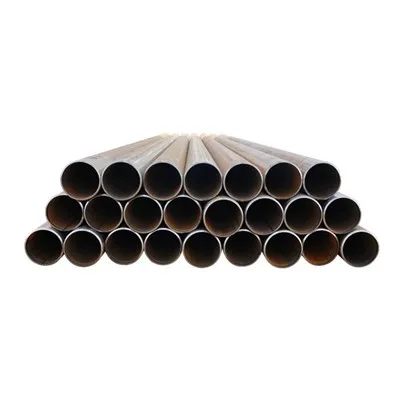
Medium-carbon steel is one of the most widely used material categories in manufacturing, construction, and mechanical engineering. With a carbon content typically between 0.25 percent and 0.60 percent, it offers a balance of strength, hardness, and ductility, making it highly versatile for load-bearing and wear-resistant applications. This article explains the core properties, performance characteristics, mechanical behavior, heat treatment potential, and industrial applications of medium-carbon steel, supported by tables for quick technical comparison.
What Is Medium-Carbon Steel
Medium-carbon steel falls between low-carbon steel and high-carbon steel in terms of composition and mechanical performance. The moderate carbon content increases hardness and tensile strength, while still maintaining a workable level of ductility.
Core characteristics
• Carbon range: approximately 0.25 to 0.60 percent
• Improved mechanical strength compared to low-carbon steel
• Ability to undergo heat treatment for enhanced performance
• Higher wear resistance suitable for machinery components
• Requires controlled welding due to increased carbon content
Medium-carbon steel is frequently used where both structural stability and durability are required.


Chemical Composition of Medium-Carbon Steel
The chemical composition directly determines how the steel behaves during forming, cutting, welding, and heat treatment. Medium-carbon steels often include small amounts of manganese, silicon, and other alloying elements to modify their behavior.
Table 1: Typical Chemical Composition Range of Medium-Carbon Steel
| Element | Typical Range percent | Function |
|---|---|---|
| Carbon C | 0.25–0.60 | Increases hardness and strength |
| Manganese Mn | 0.60–1.65 | Enhances hardenability and strength |
| Silicon Si | 0.15–0.35 | Improves toughness and deoxidation |
| Sulfur S | ≤0.050 | Controlled for machinability |
| Phosphorus P | ≤0.040 | Kept low to ensure ductility |
The combination of these elements gives medium-carbon steels superior performance in stressed or dynamic environments.
Mechanical Properties of Medium-Carbon Steel
Medium-carbon steels exhibit a wide range of mechanical values depending on the grade, manufacturing method, and heat treatment condition. They naturally possess higher tensile and yield strengths compared to low-carbon steels.
Key characteristics
• High tensile strength for load-bearing components
• Moderate ductility enabling machining and forming
• Enhanced impact resistance
• Ability to achieve very high hardness after quenching and tempering
Table 2: Mechanical Property Comparison of Common Medium-Carbon Steel Grades
| Steel Grade | Yield Strength MPa | Tensile Strength MPa | Hardness HB | Elongation percent |
|---|---|---|---|---|
| C30 | 300–350 | 500–650 | 140–180 | 18–22 |
| C40 | 350–450 | 600–750 | 170–220 | 14–20 |
| C45 | 350–500 | 650–800 | 180–230 | 12–18 |
| 1045 | 310–450 | 565–880 | 170–250 | 16–25 |
Because medium-carbon steel can be heat-treated, its mechanical range is broader than many other steel categories.
Heat Treatment Capabilities of Medium-Carbon Steel
One of the most important advantages of medium-carbon steel is its excellent response to heat treatment. Adjusting cooling rate and tempering temperature allows engineers to customize strength, hardness, and ductility.
Common heat treatment processes
• Annealing
• Normalizing
• Quenching
• Tempering
• Austempering for better toughness
After quenching, medium-carbon steel becomes significantly harder but also more brittle. Tempering is therefore essential to achieve the desired balance between strength and ductility.
Table 3: Typical Heat Treatment Effects on Medium-Carbon Steel
| Process | Resulting Property Change | Industrial Use Case |
|---|---|---|
| Normalizing | Improved uniformity and toughness | Shafts, axles |
| Quenching | Very high hardness and strength | Gears, wear parts |
| Tempering | Reduced brittleness with stable hardness | Mechanical components |
| Annealing | Softens material for machining | Pre-manufacturing preparation |
Heat treatment selection depends on the final mechanical requirement of the part.
Strengths and Limitations of Medium-Carbon Steel
Medium-carbon steel is a balanced material category, but it also comes with certain technical considerations.
Strength advantages
• High strength-to-cost ratio
• Excellent wear resistance compared to low-carbon steel
• Good hardness after heat treatment
• Suitable for dynamic load applications
Limitations
• Reduced weldability due to higher carbon content
• Requires controlled heat input to prevent cracking
• Lower corrosion resistance compared to alloyed steels
• Heavier than aluminum or stainless steel options
Despite these limitations, medium-carbon steel remains one of the most economical choices for durable engineering components.
Industrial Applications of Medium-Carbon Steel
Medium-carbon steels are widely used across automotive, construction, manufacturing, and machinery industries. Their hardness and strength make them ideal for parts exposed to mechanical stress or friction.
Common applications
• Automotive crankshafts, connecting rods, gears
• Machine parts such as shafts, pins, and couplings
• Structural components requiring mid-to-high strength
• Conveyor rollers and heavy-duty equipment
• Agricultural machinery frames
• Forged parts requiring high toughness
The materials' ability to endure continuous dynamic loads makes it a preferred choice for rotating or moving mechanical parts.
How Medium-Carbon Steel Compares to Low and High Carbon Steel
Understanding the differences between carbon steel categories helps engineers choose the right grade for their application.
Table 4: Comparison of Carbon Steel Categories
| Category | Carbon Content percent | Strength | Ductility | Heat Treatment | Typical Use |
|---|---|---|---|---|---|
| Low-carbon steel | ≤0.25 | Low to moderate | High | Limited | Pipes, light structures |
| Medium-carbon steel | 0.25–0.60 | High | Moderate | Excellent | Gears, axles, machinery |
| High-carbon steel | 0.60–1.00 | Very high | Low | Excellent | Springs, cutting tools |
Medium-carbon steel occupies the middle ground, offering versatility and strong reliability in engineering applications.
Conclusion
Medium-carbon steel is an essential material for global engineering industries. Its balanced strength, hardness, and heat treatment capability make it suitable for demanding applications in automobiles, machinery, construction, and manufacturing. Whether used in gears, shafts, structural sections, or forged components, medium-carbon steel delivers durable performance at a competitive cost. With proper processing and heat treatment, it becomes a highly adaptable and dependable material for long-term industrial use.