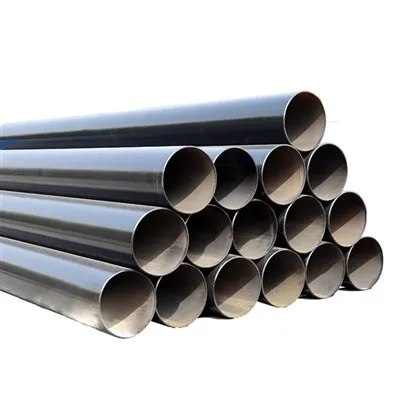
Piping materials play a critical role in modern construction, industrial fluid transport, fire protection systems, and mechanical engineering. Two commonly compared materials are black iron pipe and carbon steel pipe, especially in industries that require robust mechanical performance and long-term reliability. Understanding the differences between these two materials is essential for selecting the proper piping system for HVAC networks, gas delivery lines, oil and gas systems, structural support, and industrial processing applications. This comprehensive comparison explains their composition, performance capabilities, advantages, disadvantages, and the best real-world applications for each.
Although black iron pipe is frequently treated as a separate category, it is actually a surface-finished form of low-carbon steel pipe. However, its performance characteristics can differ significantly from engineered carbon steel pipes used in demanding industrial environments. This article breaks down those differences and helps engineers, procurement teams, contractors, and project managers make informed and cost-effective decisions.
What Is Black Iron Pipe?
Black iron pipe is a term commonly used in the construction and fire protection industries. It typically refers to non-galvanized, low-carbon steel pipe with a dark, matte iron-oxide coating generated during manufacturing. Despite the name, black iron pipe is not made of pure iron; it is a low-carbon steel with a protective black scale created by mild oxidation as it cools after production.
Black iron pipe became widely popular due to its affordability, rigidity, and ease of installation, especially in gas pipelines, sprinkler systems, and low-pressure steam lines. The pipe maintains good mechanical strength and performs well when transporting non-corrosive gases such as natural gas and propane.
However, because it lacks galvanizing or alloy corrosion resistance, black iron pipe is susceptible to rust when exposed to moisture. Therefore, it is not used for outdoor applications without protective coatings, nor is it recommended for potable water systems.
What Is Carbon Steel Pipe?
Carbon steel pipe refers to steel pipe containing carbon as the primary alloying element. The carbon content usually ranges from 0.05% to 2.0%, depending on the strength and hardness required. Carbon steel pipes are manufactured in different grades-low carbon, medium carbon, and high carbon-and are available as welded or seamless options.
Carbon steel pipe is widely used in industries requiring high strength, pressure resistance, impact toughness, and long service life. Applications include oil and gas transport, mechanical structures, boilers, power plants, petrochemical systems, and hydraulic pipelines.
Compared to black iron pipe, carbon steel pipe offers more consistent material quality, better pressure handling, improved weldability, and broader industrial usage. Many projects that require safety, certification, and strict compliance standards rely on carbon steel pipes defined under ASTM, ASME, API, and EN specifications.


Chemical Composition Differences
Although black iron pipe is generally made from low-carbon steel, it does not always conform to the strict chemical compositions required for certified carbon steel pipe. Below is a typical comparison:
Table 1: Typical Chemical Composition Comparison
| Element | Black Iron Pipe (Typical) | Carbon Steel Pipe (Typical) |
|---|---|---|
| Carbon (C) | 0.04–0.15% | 0.05–2.0% (depending on grade) |
| Manganese (Mn) | Low to moderate | Moderate to high (improves strength) |
| Phosphorus (P) | Higher variability | Strictly controlled under standards |
| Sulfur (S) | Higher variability | Strictly controlled, low levels |
| Chromium / Nickel | Generally absent | May be added in alloy carbon steel |
| Surface Finish | Iron oxide (black scale) | Varies-bare, coated, galvanized, painted |
Key Takeaway:
Black iron pipe has looser composition controls, while carbon steel pipes follow strict metallurgical standards that enhance consistency and suitability for high-stress applications.
Mechanical and Structural Performance Differences
The mechanical properties of black iron and carbon steel pipes differ significantly, influencing their usage, lifespan, and safety.
Strength and Hardness
Carbon steel pipes, especially medium- and high-carbon variants, provide greater tensile strength, yield strength, and hardness compared to black iron pipe. This makes carbon steel suitable for high-pressure, high-temperature systems such as steam pipelines and oil pipelines.
Black iron pipe, while strong enough for low-pressure applications, is not engineered for heavy industrial loads or high-pressure fluids.
Corrosion Resistance
Black iron pipe is not corrosion-resistant. Its outer oxide layer provides minimal protection and deteriorates quickly in moist environments.
Carbon steel pipe also corrodes, but it can be manufactured with:
- galvanizing
- epoxy coating
- polyethylene lining
- alloying elements
These provide much better corrosion resistance and longer service life.
Weldability
Carbon steel pipes are engineered for high weldability, with metallurgical consistency ensuring safe and strong welds.
Black iron pipe is weldable but may contain impurities or inconsistent properties that can reduce weld strength in critical applications.
Manufacturing and Dimensional Standards
Black iron pipe typically follows low-pressure pipe specifications such as ASTM A53 Grade A or light-duty commercial classifications.
Carbon steel pipe follows broad industry standards including:
- ASTM A106 / ASME SA106 (seamless carbon steel pipe for high-temperature service)
- ASTM A53 Grade B (welded and seamless)
- API 5L (line pipe for oil and gas)
- ASTM A333 (low-temperature service)
- EN10210 / EN10216 (structural and pressure applications)
These standards require strict testing, inspection, mechanical property limits, and chemical composition controls, making carbon steel pipe more reliable for critical use.
Application Differences
Where Black Iron Pipe Is Best Used
- Natural gas distribution
- Propane lines
- Fire sprinkler systems
- Low-pressure steam systems
- HVAC systems
- Indoor piping only
- Dry or low-moisture environments
Where Carbon Steel Pipe Is Best Used
- Oil and gas pipelines
- High-pressure fluid transport
- Boiler and heat-exchanger systems
- Industrial manufacturing
- Chemical processing
- Structural applications
- Automotive and machinery
- Offshore and marine projects
Because carbon steel pipe offers superior strength and engineering reliability, industries with strict safety and certification requirements rely on it over black iron pipe.
Cost Differences
Black iron pipe is generally cheaper due to lower alloy content, simpler manufacturing requirements, and minimal quality control standards.
Carbon steel pipe costs more initially but offers:
higher performance
longer lifespan
fewer maintenance costs
compliance with engineering standards
Over the long term, carbon steel often provides better value for industrial and structural applications.
Black Iron vs Carbon Steel Pipe: Comparison Table
Table 2: Comprehensive Technical Comparison
| Property / Category | Black Iron Pipe | Carbon Steel Pipe |
|---|---|---|
| Chemical Consistency | Moderate | High |
| Tensile Strength | Lower | Higher |
| Pressure Rating | Low–Medium | Medium–High |
| Temperature Resistance | Moderate | Excellent |
| Corrosion Resistance | Poor | Moderate to high (with coating/alloying) |
| Weldability | Moderate | Excellent |
| Cost | Lower | Higher but better long-term value |
| Standards & Certification | Limited | Extensive (ASTM, API, ASME) |
| Best Use | Gas systems, fire sprinklers | Oil/gas pipelines, machinery, structural systems |
Conclusion
Black iron pipe and carbon steel pipe may appear similar, but they differ greatly in performance, reliability, and manufacturing standards. Black iron pipe is suitable for low-pressure, indoor, gas-related, and fire protection systems, whereas carbon steel pipe is the preferred choice for high-pressure, structural, industrial, and energy-sector applications. Understanding these distinctions ensures safer, more cost-effective, and long-lasting pipeline system design.
If you are selecting pipes for oil and gas transmission, refinery networks, mechanical engineering, or any application requiring strength and certification, carbon steel pipe is unquestionably the superior choice.