


Introduction
Carbon steel pipes have long been regarded as one of the most reliable and versatile materials in modern industry. From construction to energy, transportation to manufacturing, these pipes provide the strength, durability, and cost-efficiency needed in demanding environments. This guide takes you through the fundamentals of carbon steel pipes, their classifications, advantages, and the diverse industrial applications that make them indispensable.
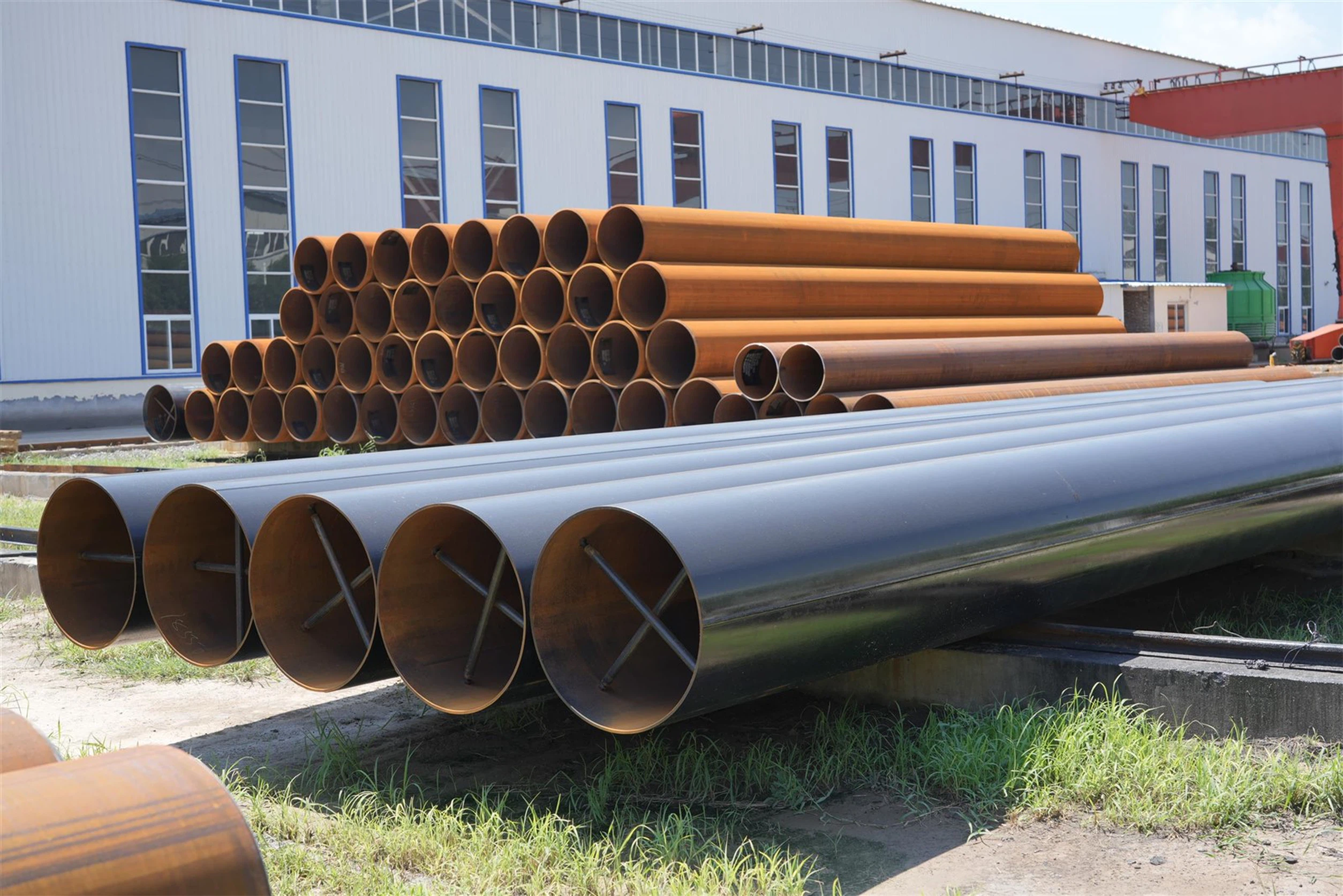

What Are Carbon Steel Pipes?
Carbon steel pipes are tubular products made primarily from an alloy of iron and carbon, with the carbon content generally ranging from 0.05% to 2%. Depending on the composition and manufacturing process, these pipes can be customized to meet specific mechanical and structural requirements. Their toughness, high tensile strength, and adaptability to heat treatment make them a preferred choice in industries where performance and reliability are critical.
Types of Carbon Steel Pipes
Carbon steel pipes can be categorized into several types based on their carbon content, manufacturing process, and intended applications:
- Low-Carbon Steel Pipes: Contain less than 0.3% carbon. They are more ductile, easy to weld, and ideal for applications where flexibility is required, such as structural uses and fluid transportation.
- Medium-Carbon Steel Pipes: With 0.3%–0.6% carbon, they offer a balance of strength and toughness, making them suitable for mechanical applications like machinery components and pipelines under moderate pressure.
- High-Carbon Steel Pipes: Contain more than 0.6% carbon. Known for their hardness and wear resistance, they are often used in high-strength applications where durability is essential.
- Seamless Carbon Steel Pipes: Manufactured without a welded seam, they provide superior strength and uniformity, ideal for high-pressure and high-temperature applications such as oil and gas transportation.
- ERW (Electric Resistance Welded) Carbon Steel Pipes: Made by rolling and welding steel strips, ERW pipes are cost-effective and widely used in low-to-medium pressure applications like water pipelines and structural projects.
- LSAW/DSAW Pipes: Longitudinal and double-submerged arc welded pipes are large-diameter options commonly applied in oil, gas, and water transmission over long distances.
Advantages of Carbon Steel Pipes
The popularity of carbon steel pipes comes from their many benefits:
1.High Strength and Durability – Carbon steel pipes can withstand high pressures, temperatures, and mechanical stress.
2.Versatility – They are available in a wide range of diameters, wall thicknesses, and finishes, meeting the diverse needs of different industries.
3.Cost-Effectiveness – Compared with stainless steel or other alloyed materials, carbon steel pipes provide excellent performance at a lower cost.
4.Weldability and Machinability – Easy to fabricate, weld, and form into different shapes, allowing for flexibility in engineering designs.
5.Corrosion Resistance (with treatment) – When combined with protective coatings such as galvanization or painting, carbon steel pipes achieve long service life in harsh environments.
Industrial Applications of Carbon Steel Pipes
Carbon steel pipes play a crucial role across a wide spectrum of industries. Some of the most common applications include:
- Oil and Gas Industry – Used for drilling, transportation of crude oil and natural gas, and refinery processes, particularly in seamless and LSAW formats.
- Construction and Infrastructure – Applied in structural frameworks, scaffolding, and foundation piling due to their strength and load-bearing capacity.
- Water and Sewage Systems – ERW and welded pipes are widely used for municipal water distribution and wastewater treatment systems.
- Energy and Power Generation – Found in boiler tubes, heat exchangers, and pipelines within power plants.
- Automotive and Machinery – Utilized in mechanical tubing, hydraulic systems, and heavy machinery parts that require durability under stress.
- Shipbuilding and Offshore Structures – Essential for building strong, corrosion-resistant frameworks capable of withstanding marine environments.
Future Outlook
With the growing demand for energy infrastructure, sustainable construction, and advanced manufacturing, the need for reliable piping solutions continues to rise. Carbon steel pipes, with their proven track record and evolving production technologies, will remain at the forefront of industrial development. Manufacturers are also integrating enhanced coatings, precision engineering, and eco-friendly processes to ensure carbon steel pipes meet the requirements of modern industries.
Conclusion
Carbon steel pipes are more than just a building material; they are a backbone of modern industry. Their unmatched combination of strength, adaptability, and affordability ensures their relevance across countless applications. Whether for oil pipelines, construction projects, or power plants, carbon steel pipes continue to deliver performance and reliability where it matters most.


