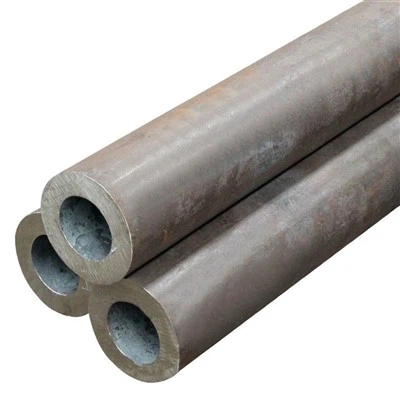
API 5L oil tubing is a crucial component in the oil and gas industry, designed to transport oil and gas from the wellbore to the surface. As a reliable API 5L Oil Tubing supplier, I understand the importance of adhering to strict standards and specifications to ensure the safety and efficiency of oil and gas operations. In this blog post, I will delve into the standard specifications of API 5L Oil Tubing, providing valuable insights for industry professionals and potential buyers.
Overview of API 5L Oil Tubing
API 5L is a specification developed by the American Petroleum Institute (API) that covers seamless and welded steel pipes for use in pipeline transportation systems in the petroleum and natural gas industries. API 5L Oil Tubing is specifically designed for the conveyance of oil, gas, and water in the upstream oil and gas sector. These pipes are used in various applications, including onshore and offshore oil and gas wells, refineries, and petrochemical plants.
Dimensions and Tolerances
One of the key aspects of API 5L Oil Tubing specifications is the dimensions and tolerances. The pipes are available in a range of sizes, with outer diameters typically ranging from 1/8 inch to 48 inches and wall thicknesses varying from 0.065 inches to 2.000 inches. The standard also specifies the length of the pipes, which can range from single random lengths to double random lengths.
In addition to the nominal dimensions, API 5L Oil Tubing must adhere to strict tolerances. These tolerances ensure that the pipes fit together properly and can be used in various applications without any issues. For example, the outer diameter tolerance for seamless pipes is typically ±0.75% of the nominal outer diameter, while the wall thickness tolerance is ±12.5% of the nominal wall thickness.
Material Requirements
Another important aspect of API 5L Oil Tubing specifications is the material requirements. The pipes are typically made from carbon steel or alloy steel, depending on the specific application and the operating conditions. The standard specifies the chemical composition and mechanical properties of the steel, ensuring that the pipes have the necessary strength and durability to withstand the harsh environments in the oil and gas industry.
For example, the carbon content of the steel should be within a certain range to ensure good weldability and formability. The standard also specifies the minimum yield strength and tensile strength of the steel, which are important factors in determining the pipe's ability to withstand internal pressure and external loads.
Manufacturing Processes
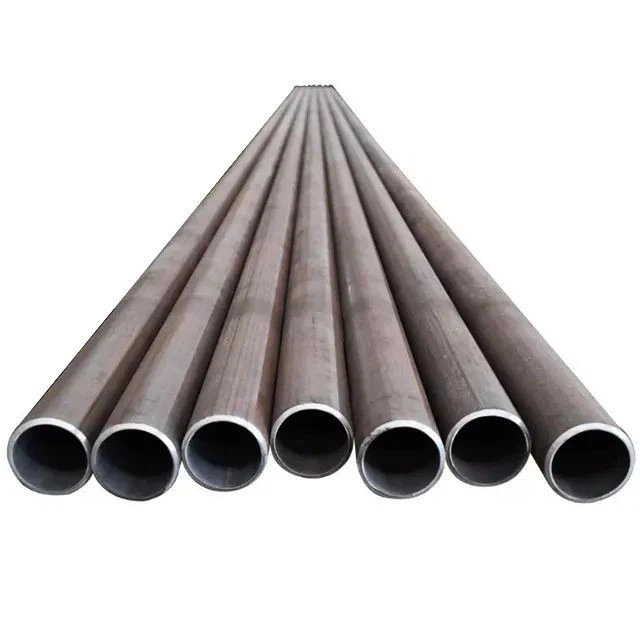
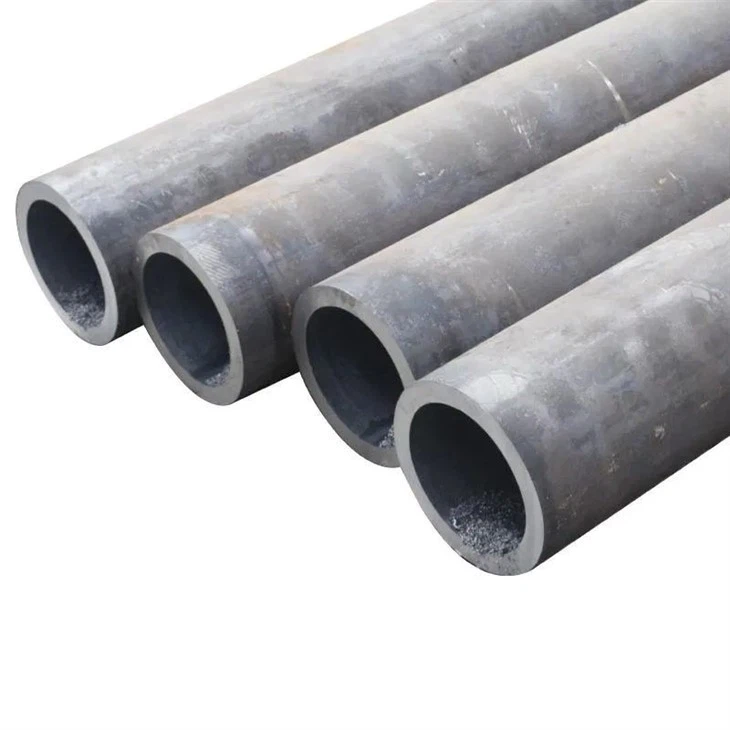
API 5L Oil Tubing can be manufactured using either seamless or welded processes. Seamless pipes are made by piercing a solid billet of steel and then rolling it into a tubular shape. This process results in a pipe with a uniform wall thickness and no weld seam, which makes it ideal for applications where high pressure and reliability are required.
Welded pipes, on the other hand, are made by welding together two or more pieces of steel plate or strip. This process is more cost-effective than the seamless process and can be used to produce pipes in larger sizes. However, welded pipes may have a weld seam, which can be a potential weak point in the pipe. Therefore, the standard specifies strict requirements for the welding process, including the type of welding, the welding procedure, and the inspection of the welds.
Testing and Inspection
To ensure the quality and reliability of API 5L Oil Tubing, the pipes must undergo a series of testing and inspection procedures. These procedures are designed to detect any defects or inconsistencies in the pipes and to ensure that they meet the standard specifications.
Some of the common testing and inspection procedures include hydrostatic testing, ultrasonic testing, magnetic particle testing, and radiographic testing. Hydrostatic testing involves filling the pipe with water and pressurizing it to a specified level to check for leaks. Ultrasonic testing uses high-frequency sound waves to detect internal defects in the pipe, while magnetic particle testing and radiographic testing are used to detect surface and internal defects, respectively.
Coating and Protection
API 5L Oil Tubing is often exposed to harsh environments, including corrosive fluids, high temperatures, and abrasive materials. To protect the pipes from corrosion and damage, they are typically coated with a protective layer. The standard specifies the type of coating and the application method, ensuring that the coating provides adequate protection for the pipes.
Some of the common coatings used for API 5L Oil Tubing include epoxy coatings, polyethylene coatings, and fusion-bonded epoxy coatings. These coatings provide a barrier between the pipe and the environment, preventing corrosion and extending the lifespan of the pipes.
Conclusion
In conclusion, API 5L Oil Tubing is a critical component in the oil and gas industry, and it is essential to adhere to the standard specifications to ensure the safety and efficiency of oil and gas operations. As a [Your Company Name] API 5L Oil Tubing supplier, we are committed to providing high-quality pipes that meet or exceed the API 5L standards. Our pipes are manufactured using the latest technology and undergo rigorous testing and inspection procedures to ensure their quality and reliability.
If you are in the market for API 5L Oil Tubing, we encourage you to [Contact Us] to discuss your specific requirements. Our team of experts will be happy to provide you with more information about our products and services and to help you find the right solution for your needs.
References
- American Petroleum Institute. (2023). Specification for Line Pipe (API 5L).
- Boiler Seamless Pipe
- Carbon Boiler Pipe
- API 5L Oil Tubing