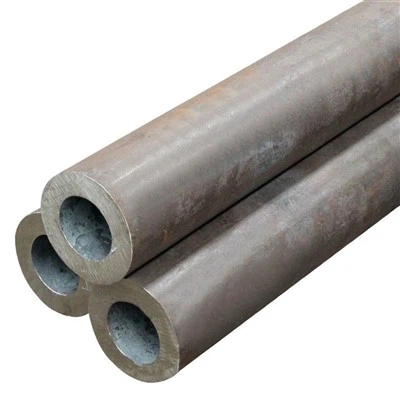
As a seasoned supplier of Longitudinally Submerged Arc Welded (LSAW) steel pipes, I've witnessed firsthand the critical importance of cathodic protection in ensuring the longevity and reliability of these pipes. In this blog, I'll delve into what cathodic protection is, why it's essential for LSAW steel pipes, and how it works.
Understanding the Basics of LSAW Steel Pipes
Before we dive into cathodic protection, let's briefly understand what LSAW steel pipes are. LSAW steel pipes are manufactured by bending a steel plate into a cylindrical shape and then welding the longitudinal seam using the submerged arc welding process. These pipes are widely used in various industries, including oil and gas, water supply, and construction, due to their high strength, excellent weldability, and large diameter capabilities.
Our company offers a wide range of LSAW steel pipes, such as the DN820 10mm Thick LSAW Steel Pipe, Sch100 LSAW Carbon Steel Pipe, and 508 Steel Pipe. These pipes are designed to meet the diverse needs of our customers, providing reliable solutions for different applications.
The Problem of Corrosion in LSAW Steel Pipes
Corrosion is a natural process that occurs when metals react with their environment. For LSAW steel pipes, corrosion can be a significant issue, especially when they are exposed to harsh conditions such as soil, water, or chemicals. Corrosion can weaken the pipes, leading to leaks, structural failures, and costly repairs.
There are several types of corrosion that can affect LSAW steel pipes, including uniform corrosion, pitting corrosion, and crevice corrosion. Uniform corrosion occurs when the entire surface of the pipe corrodes at a relatively uniform rate. Pitting corrosion, on the other hand, is characterized by the formation of small pits or holes on the surface of the pipe. Crevice corrosion occurs in areas where there are gaps or crevices, such as at the welds or joints.
What is Cathodic Protection?
Cathodic protection is a technique used to prevent corrosion by making the metal surface the cathode of an electrochemical cell. In a corrosion cell, the metal (anode) loses electrons and corrodes, while the cathode remains protected. By applying an external electrical current or using a sacrificial anode, cathodic protection shifts the potential of the metal surface to a more negative value, making it the cathode and preventing corrosion.
There are two main types of cathodic protection: sacrificial anode cathodic protection and impressed current cathodic protection.
Sacrificial Anode Cathodic Protection
Sacrificial anode cathodic protection involves connecting a more active metal (sacrificial anode) to the LSAW steel pipe. The sacrificial anode, which is typically made of zinc, magnesium, or aluminum, corrodes preferentially, sacrificing itself to protect the steel pipe. As the sacrificial anode corrodes, it releases electrons, which flow to the steel pipe, making it the cathode and preventing corrosion.
The advantage of sacrificial anode cathodic protection is that it is relatively simple and cost-effective. It does not require an external power source, making it suitable for small-scale applications or areas where access to electricity is limited. However, sacrificial anodes have a limited lifespan and need to be replaced periodically.
Impressed Current Cathodic Protection
Impressed current cathodic protection uses an external power source, such as a rectifier, to supply a direct electrical current to the LSAW steel pipe. The current is applied through an anode, which is typically made of a high-resistant material such as graphite or mixed metal oxide. The anode is buried in the ground or placed in the electrolyte, and the current flows from the anode to the steel pipe, making it the cathode and preventing corrosion.
The advantage of impressed current cathodic protection is that it can provide a higher level of protection and is suitable for large-scale applications or areas with high corrosion rates. It also allows for more precise control of the protection level. However, impressed current cathodic protection requires an external power source and regular maintenance, which can increase the cost.
How Cathodic Protection Works for LSAW Steel Pipes
To understand how cathodic protection works for LSAW steel pipes, let's consider the electrochemical reactions that occur during corrosion. In a corrosion cell, the steel pipe acts as the anode, and the electrolyte (such as soil or water) acts as the conductor. The anode loses electrons and corrodes, while the cathode gains electrons and remains protected.
When cathodic protection is applied, the potential of the steel pipe is shifted to a more negative value, making it the cathode. This can be achieved by either connecting a sacrificial anode or applying an impressed current. As the steel pipe becomes the cathode, the flow of electrons is reversed, and corrosion is prevented.
In sacrificial anode cathodic protection, the sacrificial anode corrodes preferentially, releasing electrons that flow to the steel pipe. The steel pipe, which is now the cathode, gains electrons and remains protected. In impressed current cathodic protection, the external power source supplies a direct electrical current to the steel pipe, making it the cathode and preventing corrosion.


Benefits of Cathodic Protection for LSAW Steel Pipes
Cathodic protection offers several benefits for LSAW steel pipes, including:
- Extended Lifespan: By preventing corrosion, cathodic protection can significantly extend the lifespan of LSAW steel pipes, reducing the need for frequent replacements and repairs.
- Enhanced Safety: Corrosion can weaken the pipes, leading to leaks and structural failures, which can pose a safety hazard. Cathodic protection helps to maintain the integrity of the pipes, ensuring safe operation.
- Cost Savings: Although cathodic protection requires an initial investment, it can result in significant cost savings in the long run by reducing the cost of repairs, replacements, and downtime.
- Environmental Protection: Corrosion can release harmful substances into the environment, such as heavy metals and pollutants. Cathodic protection helps to prevent corrosion, reducing the environmental impact.
Considerations for Applying Cathodic Protection
When applying cathodic protection to LSAW steel pipes, several factors need to be considered, including:
- Soil Conditions: The soil conditions, such as resistivity, pH, and moisture content, can affect the performance of cathodic protection. Different soil conditions may require different types of cathodic protection systems.
- Pipe Coating: A good pipe coating can provide an additional layer of protection against corrosion. However, the coating may have defects or damage, which can allow corrosion to occur. Cathodic protection can complement the pipe coating by providing protection in areas where the coating is damaged.
- System Design: The design of the cathodic protection system, including the type of anode, the number of anodes, and the spacing between the anodes, needs to be carefully considered to ensure effective protection. The system design should take into account the size, shape, and location of the LSAW steel pipes, as well as the environmental conditions.
- Monitoring and Maintenance: Cathodic protection systems need to be monitored regularly to ensure that they are functioning properly. The protection level should be measured periodically, and any issues or problems should be addressed promptly. Maintenance tasks may include replacing sacrificial anodes, checking the electrical connections, and inspecting the anodes and pipes for damage.
Conclusion
Cathodic protection is a crucial technique for preventing corrosion and ensuring the longevity and reliability of LSAW steel pipes. As a supplier of LSAW steel pipes, we understand the importance of providing our customers with high-quality pipes and effective corrosion protection solutions. Whether you choose sacrificial anode cathodic protection or impressed current cathodic protection, our team of experts can help you design and implement a cathodic protection system that meets your specific needs.
If you are interested in purchasing LSAW steel pipes or learning more about cathodic protection, please feel free to contact us. We are committed to providing our customers with the best products and services, and we look forward to working with you.
References
- Fontana, M. G. (1986). Corrosion Engineering. McGraw-Hill.
- Uhlig, H. H., & Revie, R. W. (1985). Corrosion and Corrosion Control: An Introduction to Corrosion Science and Engineering. Wiley.
- National Association of Corrosion Engineers (NACE). (2016). Cathodic Protection Handbook. NACE International.