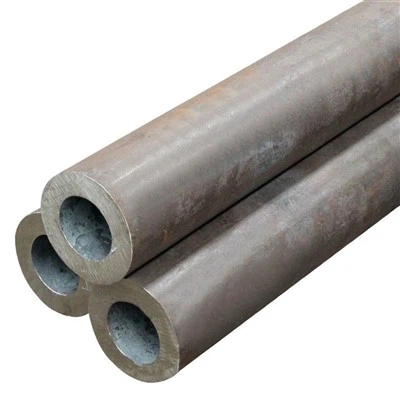
Hey there! As a carbon flange supplier, I've seen firsthand how important it is to get the installation right. In this blog, I'll walk you through the installation requirements for carbon flanges. So, let's dive in!
1. Surface Preparation
Before you even think about installing a carbon flange, you've got to prep the surfaces. The mating surfaces of both the flange and the pipe need to be clean. Any dirt, rust, or debris can mess up the seal and cause leaks down the line.
Use a wire brush to get rid of loose rust and dirt. For a more thorough clean, you can use a solvent. Make sure to dry the surfaces completely after cleaning. A smooth and clean surface is key for a good seal. If the surface has any pits or scratches, it might be a good idea to machine it to make it flat.
2. Alignment
Alignment is super crucial. The flange and the pipe should be perfectly aligned. Misalignment can lead to uneven stress on the bolts and gaskets, which can cause leaks or even flange failure.
You can use alignment tools like alignment pins or lasers to make sure everything is in line. When you're welding the flange to the pipe (if it's a welded flange), keep checking the alignment as you go. Even a small misalignment can cause big problems later.
3. Gasket Selection and Installation
The gasket is what seals the joint between the two flanges. There are different types of gaskets for carbon flanges, like spiral wound gaskets, flat gaskets, and ring joint gaskets.
The choice of gasket depends on factors like the pressure, temperature, and the type of fluid or gas that will be flowing through the pipe. For example, if you're dealing with high-pressure applications, a spiral wound gasket might be a good choice.
When installing the gasket, make sure it's centered on the flange face. Don't over-tighten the bolts right away. Start by tightening the bolts in a cross pattern to evenly distribute the pressure on the gasket.
4. Bolt Installation
Bolts are what hold the flanges together. You need to use the right type and size of bolts for your carbon flange. The bolts should be made of a material that can withstand the same conditions as the flange.
When installing the bolts, make sure they're clean and free of any damage. Apply a little bit of anti-seize compound to the threads to make it easier to tighten and loosen the bolts later.
Tighten the bolts to the recommended torque value. You can find this value in the flange's specification sheet. Over-tightening the bolts can damage the flange or the gasket, while under-tightening can cause leaks.
5. Welding (if applicable)
Some carbon flanges, like Carbon Steel Slip On Flange, need to be welded to the pipe. If you're welding the flange, you need to follow the proper welding procedures.
Use the right type of welding electrode and make sure the welding parameters are set correctly. The welding should be done by a qualified welder. After welding, inspect the weld for any defects like cracks or porosity.
6. Testing
Once you've installed the carbon flange, it's important to test it. You can do a pressure test to check for leaks. Fill the pipe with a test fluid (usually water) and increase the pressure to the test pressure.
Keep the pressure steady for a certain period of time and check for any signs of leaks. If you find a leak, you'll need to identify the source and fix it. It could be a problem with the gasket, the bolts, or the welding.
Different Types of Carbon Flanges and Their Installation Considerations
There are several types of carbon flanges, and each has its own installation requirements.
- Carbon Steel Lap Joint Flange: This type of flange is easy to install because it doesn't require welding to the pipe. It has a loose backing flange and a lap joint stub end. When installing, make sure the stub end is properly aligned with the pipe and the backing flange is tightened evenly.
- Carbon Steel Slip On Flange: As mentioned earlier, this flange needs to be welded to the pipe. The welding should be done carefully to ensure a strong joint. Also, make sure the flange is properly aligned before welding.
- Carbon Steel Blind Flange: This flange is used to close the end of a pipe. When installing a blind flange, make sure the gasket is properly installed and the bolts are tightened evenly.
Common Mistakes to Avoid
- Not following the manufacturer's instructions: The manufacturer provides detailed installation instructions for a reason. Make sure you read and follow them carefully.
- Over-tightening or under-tightening the bolts: This can cause leaks or flange failure. Use a torque wrench to ensure the bolts are tightened to the correct value.
- Using the wrong gasket or bolts: Make sure you use the right materials for your specific application.
- Poor surface preparation: A dirty or uneven surface can prevent a good seal.
Why Choose Our Carbon Flanges
At our company, we offer high-quality carbon flanges that meet all the industry standards. Our flanges are made from top-grade carbon steel, which ensures durability and reliability.
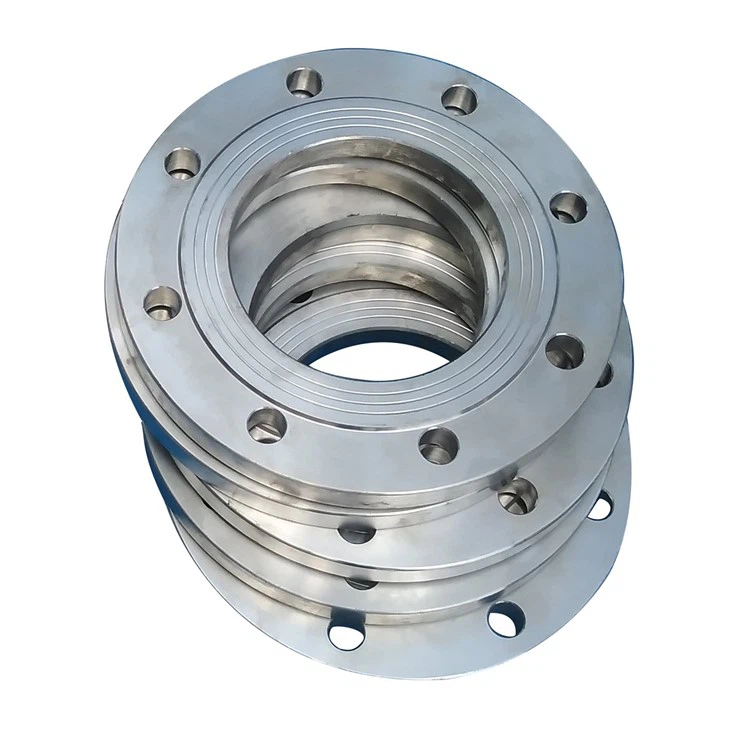
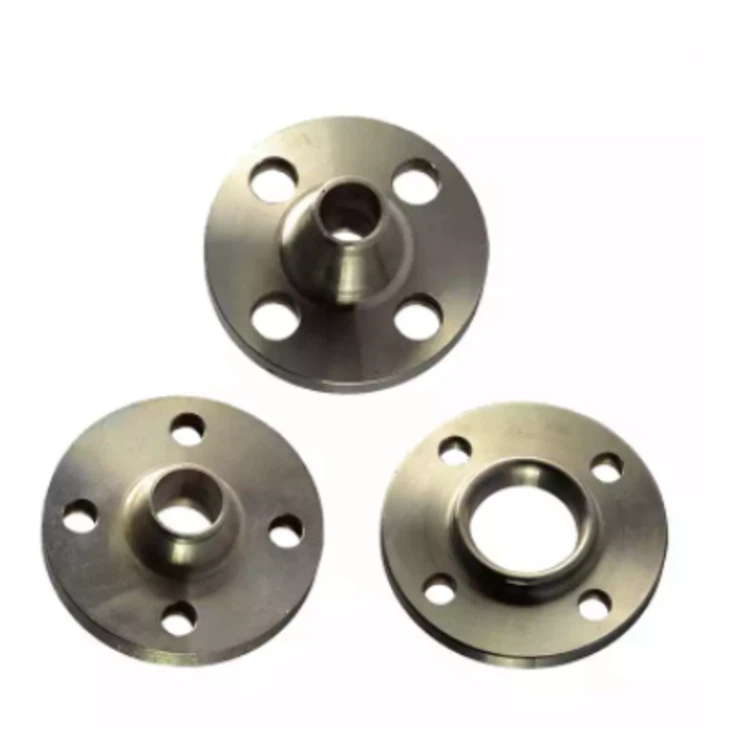
We have a wide range of carbon flanges, including Carbon Steel Lap Joint Flange, Carbon Steel Slip On Flange, and Carbon Steel Blind Flange.
If you're in the market for carbon flanges and need help with installation or have any questions, don't hesitate to reach out. We're here to assist you every step of the way. Whether you're a small business or a large industrial company, we can provide you with the right carbon flanges for your needs.
Conclusion
Installing carbon flanges correctly is crucial for the safety and efficiency of your piping system. By following the installation requirements like surface preparation, alignment, gasket and bolt installation, and testing, you can ensure a leak-free and reliable joint.
If you're interested in purchasing carbon flanges or need more information about our products, feel free to contact us. We're always happy to help you find the right solution for your project.
References
- ASME B16.5 - Pipe Flanges and Flanged Fittings
- API 6A - Specification for Wellhead and Christmas Tree Equipment
So, that's it for this blog. I hope you found it helpful. If you have any questions or comments, leave them below!