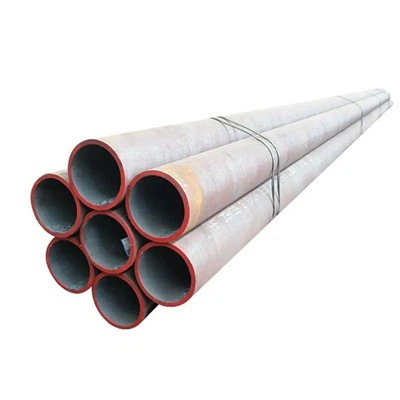
As a supplier of ASTM Boiler Pipes, I am often asked about the anti - fouling properties of these pipes. In this blog, I will delve into the details of what makes ASTM boiler pipes resistant to fouling, the significance of these properties, and how they benefit various industries.
Understanding Fouling in Boiler Pipes
Fouling in boiler pipes refers to the accumulation of unwanted materials on the inner surfaces of the pipes. These materials can include minerals, scale, corrosion products, and biological matter. Fouling can have several detrimental effects on the performance and efficiency of a boiler system. It can reduce heat transfer efficiency, leading to increased energy consumption as the boiler has to work harder to achieve the desired temperature. Additionally, fouling can cause blockages in the pipes, leading to reduced flow rates and potentially causing mechanical stress on the system, which may result in premature failure of the pipes.
Anti - fouling Mechanisms of ASTM Boiler Pipes
Material Composition
ASTM boiler pipes are typically made from high - quality materials such as carbon steel, alloy steel, or stainless steel. The choice of material plays a crucial role in determining the anti - fouling properties of the pipes. For example, stainless steel contains chromium, which forms a passive oxide layer on the surface of the pipe. This oxide layer acts as a barrier, preventing the adhesion of contaminants and reducing the likelihood of corrosion. Carbon steel, on the other hand, can be treated with various coatings or inhibitors to enhance its anti - fouling capabilities.


Surface Finish
The surface finish of ASTM boiler pipes also contributes to their anti - fouling properties. A smooth surface finish reduces the surface area available for contaminants to adhere to. Manufacturers of ASTM boiler pipes often use advanced manufacturing processes to achieve a high - quality surface finish. For instance, seamless pipe manufacturing techniques can produce pipes with a very smooth inner surface, minimizing the chances of fouling.
Chemical Resistance
ASTM boiler pipes are designed to be chemically resistant to the substances present in the boiler environment. They can withstand the high - temperature and high - pressure conditions, as well as the chemical reactions that occur within the boiler. This chemical resistance helps prevent the formation of scale and corrosion products, which are common forms of fouling. For example, pipes used in boilers that handle water with high mineral content need to be resistant to the precipitation of minerals such as calcium and magnesium salts.
Significance of Anti - fouling Properties
Energy Efficiency
One of the most significant benefits of the anti - fouling properties of ASTM boiler pipes is improved energy efficiency. As mentioned earlier, fouling reduces heat transfer efficiency, which means more energy is required to maintain the desired temperature in the boiler. By preventing fouling, ASTM boiler pipes ensure that heat transfer occurs more efficiently, resulting in lower energy consumption and cost savings for the end - user.
Extended Lifespan
Fouling can cause mechanical stress on the boiler pipes, leading to premature failure. By reducing fouling, ASTM boiler pipes can have a longer lifespan. This reduces the need for frequent pipe replacements, which can be costly and time - consuming. A longer lifespan also means less disruption to the operation of the boiler system, ensuring continuous and reliable performance.
Reduced Maintenance
Boiler systems with fouled pipes require more frequent maintenance. This includes cleaning the pipes to remove the accumulated contaminants, which can be a labor - intensive and expensive process. ASTM boiler pipes with good anti - fouling properties reduce the frequency of maintenance, saving both time and money for the operators.
Applications and Industries
Power Generation
In the power generation industry, boilers are used to produce steam, which drives turbines to generate electricity. ASTM boiler pipes with excellent anti - fouling properties are essential in this industry. Fouling in power plant boilers can lead to significant efficiency losses and even forced outages, which can have a major impact on the power supply. By using ASTM boiler pipes, power plants can ensure reliable and efficient operation.
Chemical Processing
Chemical processing plants often use boilers for heating and other processes. The chemicals used in these plants can be highly corrosive and can cause fouling in the boiler pipes. ASTM boiler pipes with high chemical resistance and anti - fouling properties are ideal for these applications. They can withstand the harsh chemical environment and prevent fouling, ensuring the smooth operation of the chemical processes.
Oil and Gas Industry
The oil and gas industry also relies on boilers for various operations, such as heating crude oil and generating steam for enhanced oil recovery. In this industry, GR.B Casing Tube, Api 5l Boiler Pipe, and Oil Line Pipe are commonly used. These pipes need to have good anti - fouling properties to prevent blockages and ensure the efficient flow of fluids.
Testing and Certification
To ensure the anti - fouling properties of ASTM boiler pipes, they are subject to various testing and certification procedures. These tests evaluate the chemical composition, mechanical properties, and corrosion resistance of the pipes. For example, the ASTM standards specify the requirements for the minimum amount of alloying elements in the steel, as well as the maximum allowable levels of impurities. Pipes that meet these standards are certified as ASTM - compliant, which gives customers confidence in the quality and performance of the pipes.
Conclusion
The anti - fouling properties of ASTM boiler pipes are of utmost importance in various industries. Their ability to resist fouling through material composition, surface finish, and chemical resistance ensures energy efficiency, extended lifespan, and reduced maintenance. Whether it's in power generation, chemical processing, or the oil and gas industry, ASTM boiler pipes play a crucial role in the reliable and efficient operation of boiler systems.
If you are in need of high - quality ASTM boiler pipes with excellent anti - fouling properties, I invite you to contact me for a detailed discussion. We can explore the best solutions for your specific requirements and help you optimize the performance of your boiler system.
References
- ASTM International Standards for Boiler and Pressure Vessel Pipes
- Research papers on the anti - fouling properties of boiler pipes
- Industry reports on the performance of boiler systems in different sectors