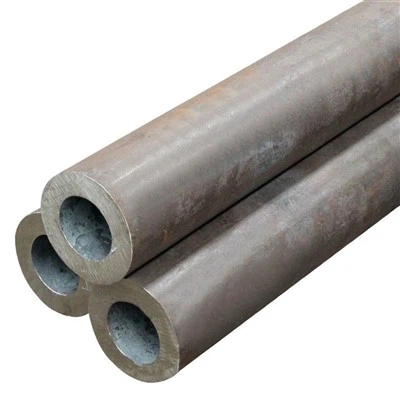
As a supplier of boiler pipes, I've witnessed firsthand the challenges that industries face when it comes to heat loss in boiler pipes. Heat loss not only reduces the efficiency of the boiler system but also leads to increased energy consumption and higher operational costs. In this blog, I'll share some effective strategies to reduce heat loss in boiler pipes, drawing on my experience in the industry and the latest scientific research.
Understanding Heat Loss in Boiler Pipes
Before we delve into the solutions, it's crucial to understand how heat loss occurs in boiler pipes. Heat can be lost through three main mechanisms: conduction, convection, and radiation.
Conduction is the transfer of heat through the material of the pipe itself. If the pipe material has high thermal conductivity, more heat will be transferred from the hot fluid inside the pipe to the surrounding environment. Convection involves the movement of heated air or fluid around the pipe, carrying heat away from the pipe surface. Radiation is the emission of heat energy in the form of electromagnetic waves from the hot pipe surface to cooler surroundings.
Selecting the Right Pipe Material
One of the first steps in reducing heat loss is to choose the appropriate pipe material. Different materials have different thermal conductivities, which directly affect the rate of heat transfer. For boiler pipes, materials with low thermal conductivity are preferred.
Carbon Steel Seamless OCTG Pipe is a popular choice for boiler applications. Carbon steel has relatively low thermal conductivity compared to some other metals, which helps to minimize heat loss through conduction. Additionally, seamless pipes offer a smooth interior surface, reducing the friction of the fluid flow and further improving energy efficiency.
Boiler Seamless Pipe is specifically designed for boiler systems. These pipes are made from high-quality carbon steel and are manufactured to meet strict industry standards. They provide excellent corrosion resistance and mechanical properties, ensuring long-term reliability and efficiency in boiler operations.
X60 OCTG Pipe is another option that offers good performance in terms of heat loss reduction. X60 grade steel has a combination of strength and low thermal conductivity, making it suitable for high-pressure and high-temperature boiler applications.
Insulation of Boiler Pipes
Insulation is one of the most effective ways to reduce heat loss in boiler pipes. Insulating materials create a barrier between the hot pipe surface and the surrounding environment, reducing the rate of heat transfer through conduction, convection, and radiation.


There are several types of insulation materials available for boiler pipes, including fiberglass, mineral wool, and foam insulation. Fiberglass insulation is a popular choice due to its low cost, high thermal resistance, and ease of installation. Mineral wool insulation offers excellent fire resistance and is suitable for high-temperature applications. Foam insulation, such as polyurethane foam, provides good insulation properties and is also resistant to moisture.
When installing insulation on boiler pipes, it's important to ensure proper coverage and sealing. Any gaps or joints in the insulation can allow heat to escape, reducing the effectiveness of the insulation. Additionally, the insulation should be installed in accordance with the manufacturer's instructions and industry standards to ensure optimal performance.
Regular Maintenance and Inspection
Regular maintenance and inspection of boiler pipes are essential for ensuring their efficient operation and minimizing heat loss. Over time, pipes can develop leaks, corrosion, or other issues that can increase heat loss and reduce the overall efficiency of the boiler system.
During maintenance, it's important to check for any signs of damage or wear on the pipes, such as cracks, holes, or rust. Any damaged pipes should be repaired or replaced immediately to prevent further heat loss and potential safety hazards. Additionally, the insulation on the pipes should be inspected for any signs of damage or deterioration and replaced if necessary.
Regular cleaning of the pipes can also help to improve their efficiency. Over time, deposits can build up inside the pipes, reducing the flow of fluid and increasing the resistance to heat transfer. By cleaning the pipes regularly, these deposits can be removed, improving the overall performance of the boiler system.
Optimizing Boiler Operation
In addition to selecting the right pipe material, insulating the pipes, and performing regular maintenance, optimizing the operation of the boiler can also help to reduce heat loss. This includes adjusting the boiler settings to ensure that it is operating at its optimal efficiency.
For example, maintaining the correct water level in the boiler is crucial for efficient operation. If the water level is too low, the boiler may overheat, leading to increased heat loss and potential damage to the pipes. On the other hand, if the water level is too high, it can reduce the efficiency of the boiler and increase the risk of water hammer.
Another important factor is the combustion process. Ensuring that the boiler is burning fuel efficiently can significantly reduce heat loss. This can be achieved by adjusting the air-to-fuel ratio, maintaining proper combustion chamber conditions, and using high-quality fuel.
Monitoring and Control Systems
Installing monitoring and control systems can also help to reduce heat loss in boiler pipes. These systems can continuously monitor the temperature, pressure, and flow rate of the fluid in the pipes, as well as the performance of the boiler itself.
By analyzing the data collected by the monitoring system, operators can identify any issues or inefficiencies in the boiler system and take corrective actions. For example, if the temperature of the fluid in the pipes is too low, the operator can adjust the boiler settings to increase the heat output. Similarly, if the pressure in the pipes is too high, the operator can take steps to reduce it.
In addition to monitoring, control systems can also automate the operation of the boiler, ensuring that it is operating at its optimal efficiency at all times. For example, the control system can adjust the fuel supply and air intake based on the demand for heat, reducing energy consumption and heat loss.
Conclusion
Reducing heat loss in boiler pipes is essential for improving the efficiency of boiler systems, reducing energy consumption, and lowering operational costs. By selecting the right pipe material, insulating the pipes, performing regular maintenance, optimizing boiler operation, and installing monitoring and control systems, industries can significantly reduce heat loss and improve the performance of their boiler systems.
As a supplier of boiler pipes, I'm committed to providing high-quality products and solutions that help our customers reduce heat loss and improve the efficiency of their boiler systems. If you're interested in learning more about our Carbon Steel Seamless OCTG Pipe, Boiler Seamless Pipe, or X60 OCTG Pipe, or if you have any questions about reducing heat loss in boiler pipes, please don't hesitate to contact us for a detailed discussion and procurement negotiation.
References
- ASHRAE Handbook of Fundamentals. American Society of Heating, Refrigerating and Air-Conditioning Engineers.
- Steam Engineering Handbook. Babcock & Wilcox.
- Insulation Materials and Applications. National Insulation Association.