Hey there! As an oil line pipe supplier, I've seen firsthand how crucial it is to pick the right oil line pipe for a specific application. It's not just about getting any old pipe; it's about making sure it fits the bill in terms of performance, durability, and safety. In this blog, I'll share some tips on how to choose the right oil line pipe, so let's dive in!
Understanding Your Application
The first step in choosing the right oil line pipe is to understand your application inside out. You need to think about a bunch of factors, like the type of oil you'll be transporting, the operating pressure and temperature, and the environment where the pipe will be installed.
- Type of Oil: Different oils have different properties, and these can affect the choice of pipe material. For example, crude oil can contain corrosive substances, so you'll need a pipe that can withstand corrosion. On the other hand, refined oils might have different flow characteristics, which could influence the pipe's diameter and wall thickness.
- Operating Pressure and Temperature: The pressure and temperature at which the oil will be transported are also critical. High-pressure applications require pipes with thicker walls to prevent bursting, while high-temperature environments might call for materials that can handle the heat without deforming.
- Environment: The installation environment plays a big role too. If the pipe will be buried underground, it needs to be resistant to soil corrosion. If it's going to be exposed to the elements, it should be able to withstand weathering and UV radiation.
Pipe Material Selection
Once you have a clear understanding of your application, it's time to choose the right pipe material. There are several options available, each with its own pros and cons.
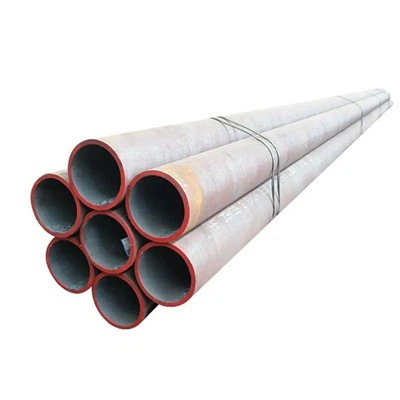
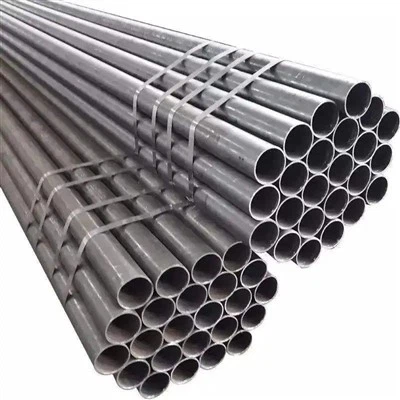
- Carbon Steel: Carbon steel is one of the most commonly used materials for oil line pipes. It's strong, durable, and relatively inexpensive. Carbon steel pipes can handle high pressures and temperatures, making them suitable for a wide range of applications. You can check out our Carbon Boiler Pipe and Carbon Round Boiler Pipe for more information on carbon steel pipes.
- Stainless Steel: Stainless steel is another popular choice, especially for applications where corrosion resistance is a top priority. It contains chromium, which forms a protective layer on the surface of the pipe, preventing rust and corrosion. Stainless steel pipes are more expensive than carbon steel, but they offer better long-term performance in harsh environments.
- Alloy Steel: Alloy steel pipes are made by adding other elements, such as nickel, chromium, and molybdenum, to carbon steel. This enhances the pipe's strength, toughness, and corrosion resistance. Alloy steel pipes are often used in high-pressure and high-temperature applications, such as offshore oil drilling.
- Plastic: Plastic pipes, such as polyethylene and polyvinyl chloride (PVC), are lightweight, easy to install, and resistant to corrosion. They're a good option for low-pressure applications and are often used in residential and small-scale commercial settings. However, plastic pipes have limitations in terms of temperature and pressure resistance, so they may not be suitable for all applications.
Pipe Size and Wall Thickness
The size and wall thickness of the pipe are also important considerations. The diameter of the pipe determines the flow rate of the oil, while the wall thickness affects its strength and pressure rating.
- Pipe Diameter: The pipe diameter should be chosen based on the flow rate requirements of your application. A larger diameter pipe allows for a higher flow rate, but it also increases the cost of the pipe and the installation. You need to find the right balance between flow rate and cost.
- Wall Thickness: The wall thickness of the pipe is determined by the operating pressure and temperature. Higher pressures and temperatures require thicker walls to ensure the pipe's integrity. You can use industry standards and calculations to determine the appropriate wall thickness for your application.
Pipe Coating and Lining
To enhance the performance and durability of the oil line pipe, it's often coated or lined with a protective material. This helps to prevent corrosion, reduce friction, and improve the flow of the oil.
- Coating: Pipe coatings can be applied to the exterior or interior of the pipe. Exterior coatings protect the pipe from environmental corrosion, while interior coatings reduce friction and prevent the buildup of deposits. Common coating materials include epoxy, polyethylene, and polyurethane.
- Lining: Pipe linings are used to protect the interior of the pipe from corrosion and abrasion. They can also improve the flow characteristics of the oil. Common lining materials include rubber, ceramic, and fiberglass.
Quality and Certification
When choosing an oil line pipe, it's important to ensure that it meets the required quality standards and certifications. This ensures that the pipe is safe, reliable, and suitable for your application.
- Quality Standards: Look for pipes that are manufactured to industry standards, such as ASTM, API, and ISO. These standards specify the requirements for pipe material, dimensions, and performance.
- Certification: Check if the pipe has been certified by a recognized third-party organization. This provides independent verification of the pipe's quality and compliance with the standards.
Supplier Selection
Finally, choosing the right supplier is just as important as choosing the right pipe. You want to work with a supplier who has a good reputation, offers high-quality products, and provides excellent customer service.
- Reputation: Look for a supplier with a proven track record in the industry. Check online reviews and testimonials from other customers to get an idea of their reputation.
- Product Quality: Make sure the supplier offers pipes that meet the required quality standards and certifications. Ask for samples and test reports to verify the quality of the pipes.
- Customer Service: A good supplier should be able to provide you with technical support, installation guidance, and after-sales service. They should also be responsive to your inquiries and concerns.
In conclusion, choosing the right oil line pipe for a specific application requires careful consideration of several factors, including the application requirements, pipe material, size, wall thickness, coating, and lining. By following these tips and working with a reputable supplier, you can ensure that you get the right pipe for your needs.


If you're interested in purchasing oil line pipes or have any questions, feel free to reach out to us. We'd be happy to help you find the perfect solution for your application.
References
- ASME Boiler and Pressure Vessel Code
- API Specification 5L
- ASTM International Standards
So, what are you waiting for? Get in touch with us today to start your oil line pipe project!