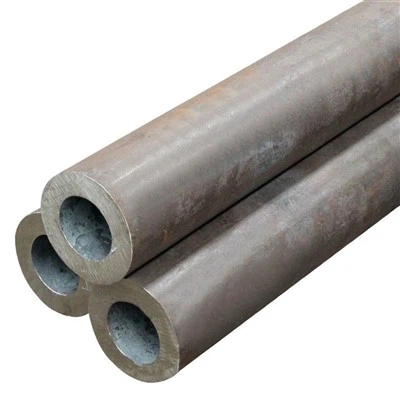
As a supplier of Weld Black Steel Pipe, I understand the importance of applying coatings to enhance the durability and performance of these pipes. In this blog post, I will share a comprehensive guide on how to apply the coating on Weld Black Steel Pipe, covering everything from surface preparation to the actual coating process.
Surface Preparation
The first and most crucial step in applying a coating to Weld Black Steel Pipe is surface preparation. A properly prepared surface ensures good adhesion of the coating and maximizes its protective properties. Here are the key steps involved in surface preparation:
Cleaning
The pipe surface must be free from dirt, grease, oil, rust, and other contaminants. This can be achieved through various cleaning methods:
- Solvent Cleaning: Use solvents such as acetone or mineral spirits to remove grease and oil. Apply the solvent with a clean cloth or brush, and then wipe the surface dry.
- Mechanical Cleaning: For rust and scale removal, mechanical methods like sandblasting, wire brushing, or grinding can be used. Sandblasting is particularly effective as it can create a rough surface profile that promotes better coating adhesion. The surface should be blasted to a near - white metal finish, as specified by industry standards.
Inspection
After cleaning, the pipe surface should be inspected for any remaining defects, such as pits, cracks, or uneven areas. These defects should be repaired before applying the coating. For example, small pits can be filled with a suitable filler material, and cracks may require welding repair.
Selecting the Right Coating
The choice of coating depends on several factors, including the pipe's intended use, the environmental conditions it will be exposed to, and the required level of protection. Here are some common types of coatings used for Weld Black Steel Pipe:


Epoxy Coatings
Epoxy coatings are widely used due to their excellent chemical resistance, adhesion, and durability. They can provide protection against corrosion, abrasion, and chemicals. Epoxy coatings come in different formulations, such as solvent - based and water - based. Solvent - based epoxy coatings offer better performance in harsh environments, while water - based epoxy coatings are more environmentally friendly.
Polyurethane Coatings
Polyurethane coatings are known for their high - gloss finish, good flexibility, and resistance to UV radiation. They are suitable for pipes that will be exposed to outdoor conditions. Polyurethane coatings can also provide protection against abrasion and impact.
Fusion - Bonded Epoxy (FBE) Coatings
FBE coatings are applied in a powder form and are fused to the pipe surface using heat. They offer excellent corrosion protection and are commonly used in buried pipelines. FBE coatings have a high film thickness and good adhesion, making them suitable for long - term protection.
When selecting a coating, it is important to consider the Weld Black Steel Pipe specifications and the requirements of the project. You may also consult with coating manufacturers or industry experts for their recommendations.
Coating Application
Once the surface is prepared and the coating is selected, it's time to apply the coating to the Weld Black Steel Pipe. The application method depends on the type of coating and the size of the pipes. Here are some common application methods:
Spray Application
Spray application is one of the most common methods for applying coatings to pipes. It allows for a uniform and even distribution of the coating. There are two main types of spray application: air - spray and airless - spray.
- Air - Spray: Air - spray uses compressed air to atomize the coating and spray it onto the pipe surface. It is suitable for applying thin - film coatings and for small - scale projects.
- Airless - Spray: Airless - spray uses high pressure to force the coating through a small nozzle, creating a fine mist. It is more suitable for applying thick - film coatings and for large - scale projects.
Dip Coating
Dip coating involves immersing the pipe into a tank filled with the coating material. This method is suitable for small - diameter pipes and can provide a uniform coating thickness. However, it may not be suitable for pipes with complex shapes or large diameters.
Brush or Roller Application
Brush or roller application is a simple and cost - effective method for applying coatings to small areas or for touch - up work. It is not suitable for large - scale coating applications as it may result in an uneven coating thickness.
Curing and Drying
After the coating is applied, it needs to be cured and dried properly to achieve its full performance. The curing process depends on the type of coating used:
Epoxy Coatings
Epoxy coatings typically require a certain temperature and humidity range for proper curing. Most epoxy coatings cure at room temperature, but some may require heat to accelerate the curing process. The curing time can range from a few hours to several days, depending on the formulation.
Polyurethane Coatings
Polyurethane coatings usually cure at room temperature, but they may require a longer drying time compared to epoxy coatings. It is important to allow sufficient time for the coating to dry before handling the pipes.
Fusion - Bonded Epoxy (FBE) Coatings
FBE coatings are cured by heating the coated pipe to a specific temperature. The pipe is usually passed through an oven or heated using induction heating. The curing process for FBE coatings is relatively fast, typically taking only a few minutes.
Quality Control
Quality control is essential to ensure that the coating application meets the required standards. Here are some key quality control measures:
Coating Thickness Measurement
The coating thickness should be measured at multiple points on the pipe surface using a coating thickness gauge. The measured thickness should be within the specified range for the coating.
Adhesion Testing
Adhesion testing can be performed to ensure that the coating adheres properly to the pipe surface. Common adhesion testing methods include the cross - cut test and the pull - off test.
Visual Inspection
A visual inspection should be carried out to check for any defects in the coating, such as runs, sags, bubbles, or pinholes. Any defects should be repaired before the pipe is put into service.
Conclusion
Applying a coating to Weld Black Steel Pipe is a critical process that can significantly enhance the pipe's performance and longevity. By following the steps outlined in this guide, including proper surface preparation, selecting the right coating, using the appropriate application method, and ensuring proper curing and quality control, you can achieve a high - quality coating that provides excellent protection.
If you are interested in purchasing Weld Black Steel Pipe, API 5L Seamless Black Steel Pipe, or ASTM A53 Black Steel Pipe, please feel free to contact us for more information and to discuss your specific requirements. We are committed to providing high - quality products and excellent service.
References
- Paint and Coating Application Handbook, Industry Standard Publications
- Corrosion Control in the Oil and Gas Industry, Professional Technical Books
- Coating Manufacturer's Technical Data Sheets