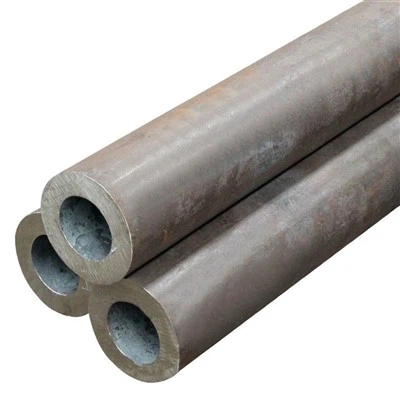
Mechanical properties play a pivotal role in determining the performance of oil line pipes. As a leading supplier of Oil Line Pipes, I have witnessed firsthand how these properties can make or break the efficiency, durability, and safety of oil transportation systems. In this blog post, I will delve into the key mechanical properties that affect oil line pipes and explain why they are crucial for ensuring optimal performance.
Tensile Strength
Tensile strength is one of the most important mechanical properties of oil line pipes. It refers to the maximum amount of stress a pipe can withstand before it breaks under tension. In the context of oil line pipes, high tensile strength is essential because these pipes are often subjected to significant internal pressure from the flowing oil. If the pipe's tensile strength is too low, it may rupture or burst, leading to oil spills, environmental damage, and potential safety hazards.
For example, in offshore oil drilling operations, oil line pipes are exposed to extreme conditions, including high pressure and corrosive seawater. Pipes with high tensile strength are better able to withstand these harsh conditions and maintain their integrity over time. At our company, we offer a range of oil line pipes with varying tensile strengths to meet the specific requirements of different applications. Our pipes are made from high-quality materials and are carefully tested to ensure they meet or exceed industry standards.
Yield Strength
Yield strength is another critical mechanical property that affects the performance of oil line pipes. It is the stress at which a material begins to deform plastically, meaning it will not return to its original shape after the stress is removed. In the case of oil line pipes, yield strength is important because it determines the maximum pressure the pipe can withstand without permanent deformation.
If a pipe is subjected to a pressure that exceeds its yield strength, it may start to bulge or deform, which can compromise its structural integrity. This can lead to leaks, reduced flow capacity, and increased maintenance costs. To ensure the reliability of our oil line pipes, we carefully select materials with high yield strengths and use advanced manufacturing processes to optimize the pipe's mechanical properties.
Ductility
Ductility is the ability of a material to deform plastically without breaking. In the context of oil line pipes, ductility is important because it allows the pipes to withstand bending, stretching, and other forms of deformation during installation and operation. Pipes with high ductility are less likely to crack or fracture under stress, which can improve their overall durability and reliability.
For instance, when laying oil line pipes in uneven terrain or through tight bends, the pipes need to be able to bend without breaking. Our oil line pipes are designed with high ductility to ensure they can withstand these types of challenges. We use advanced manufacturing techniques to enhance the ductility of our pipes, such as heat treatment and alloying.
Hardness
Hardness is a measure of a material's resistance to indentation, scratching, or wear. In the case of oil line pipes, hardness is important because it affects the pipe's ability to resist abrasion and corrosion. Pipes that are too soft may be easily damaged by the flowing oil, which can lead to leaks and reduced performance. On the other hand, pipes that are too hard may be brittle and prone to cracking.
At our company, we carefully balance the hardness of our oil line pipes to ensure they offer optimal resistance to abrasion and corrosion while maintaining sufficient ductility. We use a variety of materials and surface treatments to achieve the desired hardness levels, such as alloying, heat treatment, and coating.
Impact Resistance
Impact resistance is the ability of a material to absorb energy and resist fracture when subjected to a sudden impact. In the context of oil line pipes, impact resistance is important because these pipes may be exposed to various types of impacts during installation, transportation, and operation. For example, pipes may be dropped, hit by heavy objects, or subjected to seismic activity.
Pipes with high impact resistance are better able to withstand these types of impacts without cracking or breaking. This can improve the safety and reliability of the oil transportation system. Our oil line pipes are designed with high impact resistance to ensure they can withstand the rigors of real-world applications. We use advanced materials and manufacturing processes to enhance the impact resistance of our pipes, such as adding impact modifiers and using thicker walls.
Fatigue Resistance
Fatigue resistance is the ability of a material to withstand repeated loading and unloading cycles without failing. In the case of oil line pipes, fatigue resistance is important because these pipes are often subjected to cyclic loading due to the pulsating flow of oil. Over time, these cyclic loads can cause cracks to form and grow in the pipe, eventually leading to failure.
To ensure the long-term performance of our oil line pipes, we focus on improving their fatigue resistance. We use high-quality materials and advanced manufacturing processes to minimize the presence of defects and stress concentrations in the pipes. Additionally, we conduct extensive fatigue testing to ensure our pipes can withstand the expected number of loading cycles over their service life.
Corrosion Resistance
Corrosion is a major concern in the oil and gas industry, as it can significantly reduce the lifespan and performance of oil line pipes. Corrosion can occur due to a variety of factors, including the presence of water, oxygen, acids, and salts in the oil and the surrounding environment.
To protect our oil line pipes from corrosion, we offer a range of corrosion-resistant materials and coatings. Our pipes are made from materials such as stainless steel, carbon steel with corrosion-resistant coatings, and alloy steels. These materials have excellent resistance to corrosion and can withstand the harsh conditions typically encountered in oil and gas applications.
Conclusion
In conclusion, the mechanical properties of oil line pipes have a profound impact on their performance, reliability, and safety. As a leading supplier of Oil Line Pipes, we understand the importance of these properties and are committed to providing our customers with high-quality pipes that meet or exceed their expectations.
Whether you need Boiler Seamless Pipe, ASTM Boiler Pipe, or Carbon Boiler Pipe, we have the expertise and resources to provide you with the right solution for your application. Our pipes are carefully engineered to have the optimal combination of tensile strength, yield strength, ductility, hardness, impact resistance, fatigue resistance, and corrosion resistance.
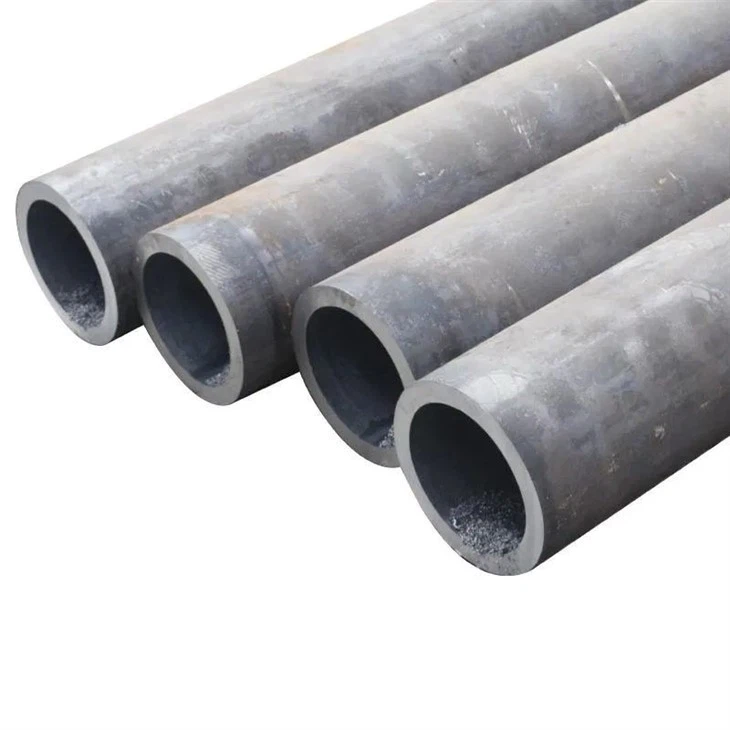

If you are in the market for oil line pipes or have any questions about our products, please do not hesitate to contact us. Our team of experts is ready to assist you in selecting the right pipes for your project and ensuring a successful installation and operation. Let's work together to ensure the efficient and reliable transportation of oil and gas.
References
- ASME Boiler and Pressure Vessel Code
- API Specification 5L - Specification for Line Pipe
- ASTM International Standards for Steel Pipes
- Corrosion Handbook, edited by Pierre R. Roberge